Handmade With Love

Blog

  • How to Prepare for an Eye Exam

    How to Prepare for an Eye Exam

    Has it been a while since your last eye exam? You should prioritize this preventative care to help you monitor your vision and catch any concerning problems with your eyes. Still, if you haven’t been to the eye doctor recently, you may not be sure what to bring or remember what to expect during your visit. Here’s how to prepare for an eye exam to maximize your time with the eye doctor.

    Know What to Bring to Your Eye Exam

    In the days leading up to your appointment, make sure you have everything you need to help the visit go smoothly. Here’s what to bring to an eye exam:

    • Current eyeglasses or contact lenses: If you have glasses, wear them to your appointment. Even if you primarily wear contact lenses, switch to your spare glasses and bring your contact lenses with you.
    • Eyewear prescription: If you can’t find the paper copy of your prescription, bring one contact lens box for each eye. A technician can also determine your prescription by setting your glasses in a special machine.
    • Sunglasses: Not all eye exams include pupil dilation, but if your optometrist recommends this, you’ll need sunglasses to tolerate bright light for a while.
    • Medical and vision history: Be prepared to share your medical conditions, vision history, recent health changes, and medications you currently take.
    • Insurance details: Bring your vision insurance card to your appointment.
    • List of questions and concerns: While preparing for an eye exam, pay close attention to your eyesight. Has your vision changed since your last visit? Have you noticed blurry vision, flashes of light, poor night vision, double vision, or excessive floaters? These are all concerns to bring up with your eye doctor.

    Know What to Expect During an Eye Exam

    When you schedule an eye exam, allot 60 to 90 minutes for your appointment, especially if you think you’ll be picking out new glasses or discussing treatment options. Plan to arrive 10 minutes early so you have time to park and check in without feeling flustered. You may need to fill out paperwork, especially if this is your first visit with a new eye doctor, and arriving early gives you more time to do this.

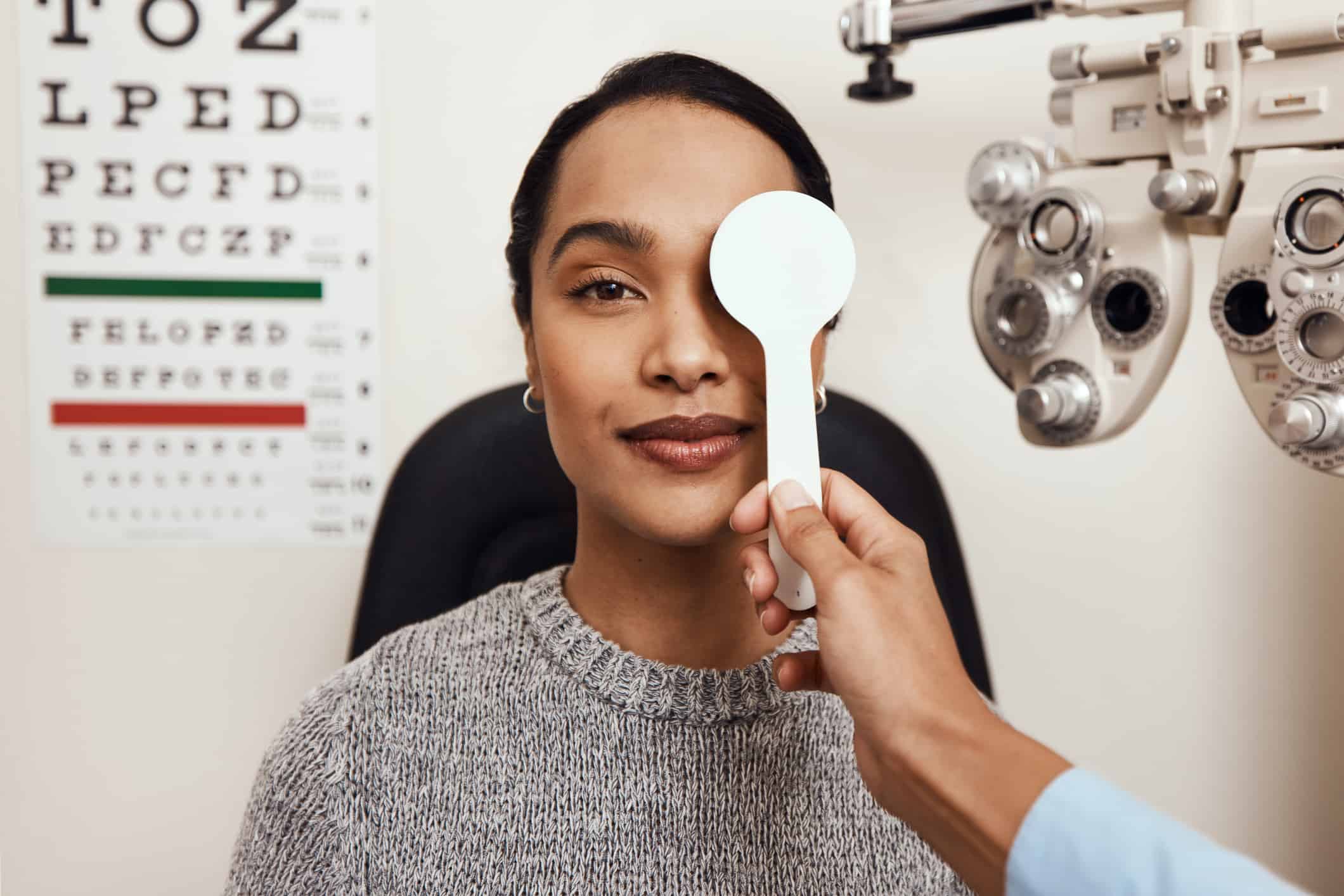
    The exam itself involves several eye tests. An optometrist (eye doctor), ophthalmologist (surgical eye doctor), or ophthalmic technician may perform these tests using eye charts, phoropters, retinal cameras, and high-tech machines. You’ll leave the exam with an updated eyewear prescription, and if your eye doctor diagnoses any eye conditions during your appointment, you’ll also have a new treatment plan in mind.

    Schedule an Appointment at Snead Eye Group

    If it’s time for your next eye exam, trust Snead Eye Group to help protect your vision health. We have four convenient locations in Fort Myers, Naples, Bonita Springs, and Cape Coral, FL, to better serve your family’s needs. Reach out to us at (239) 936-8686 or contact us online to schedule an appointment with our eye specialists today.

  • Comprehensive Eye Exams vs. Routine Vision Screenings

    Comprehensive Eye Exams vs. Routine Vision Screenings

    When was the last time you had your eyes checked? Just as it’s important to get a yearly physical from a medical doctor, it’s equally vital to get an annual eye exam from an eye doctor. But should you schedule a comprehensive eye exam or a routine vision screening? Explore the differences between these two services to help you decide.

    What is a Routine Vision Screening?

    Also known as an eye test, a routine vision screening is a roughly 30-minute appointment that tests your eyesight and looks for potential vision problems. The screening may be performed by your primary care provider or administered to children by a school nurse.

    Vision screenings are not intended to diagnose or treat vision problems. So if anything concerning comes up, you’ll need to schedule a visit with an eye care specialist for a more in-depth exam.

    What is a Comprehensive Eye Exam?

    Vision screenings are better than nothing, but they are far more limited than comprehensive eye examinations. An eye exam may take 60 minutes or more and is performed by an optometrist (eye doctor) or ophthalmologist (surgical eye doctor). An ophthalmic technician may also conduct the vision tests included in a comprehensive eye exam. Here’s what to expect:

    • An OPD test measures your eye’s refractive power and analyzes your cornea using advanced digital technology. If you require cataract surgery, an OPD scan helps your ophthalmologist choose the best lens implant for your unique vision needs.
    • A series of vision tests come next. A technician measures how clearly you can see, tests how well your eyes can track moving objects, determines if you have difficulty distinguishing colors, and checks whether you can see objects “out of the corner of your eye.”
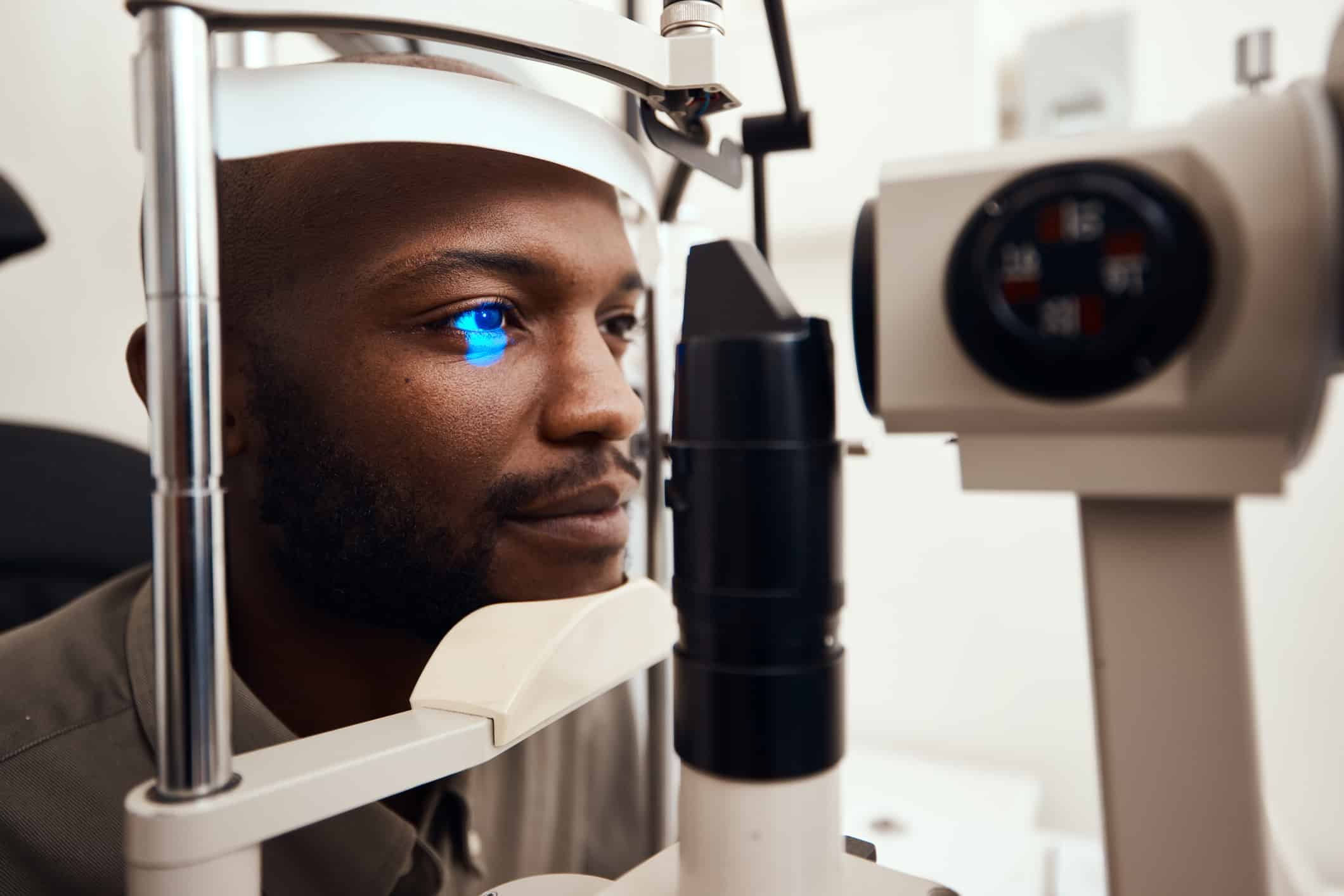
    • A pupil dilation test may occur at the end of your appointment. This allows the optometrist to look inside your eye using a slit lamp. By examining the lens, retina, and other eye structures, the doctor can tell if you’re developing glaucoma, macular degeneration, diabetic retinopathy, or other eye diseases.

    Why are Comprehensive Eye Exams Essential for Vision Health?

    While vision screenings are useful tools, they cannot replace routine eye exams. The comprehensive care you receive makes it possible to diagnose vision problems in their earliest stages when they’re the most treatable. The appointment won’t take as long if your eyes are in good health, and you won’t have to schedule another visit if the optometrist discovers an underlying problem. Instead, you’ll receive an immediate diagnosis and begin treatment right away.

    Schedule an Eye Exam at Snead Eye Group

    If you live in Fort Myers, Naples, Bonita Springs, or Cape Coral, FL, the team at Snead Eye Group would be happy to provide your entire family with the best eye treatment available. Our comprehensive eye exams aim to safeguard your eye health for better vision and quality of life. If it’s been over a year since your last eye exam, please call us at (239) 936-8686 and book an appointment today.

  • What is the importance of a comprehensive eye examination?

    What is the importance of a comprehensive eye examination?

    [et_pb_section][et_pb_row][et_pb_column type=”4_4″][et_pb_text]

    You probably know that eye doctors recommend eye exams every two years for most people, and annually for children and seniors. How seriously do you take this recommendation? If your eyes feel fine and you’re not having trouble with your vision, do you really need to see an eye doctor? What’s involved in a comprehensive eye exam, anyway? We’ve got answers to your questions about the eye examination procedure and why it matters.

    • There’s a difference between an eye exam and a vision screening. If you’re counting the vision screening you had at the doctor’s office during your last physical, don’t. A vision screening, in which you’re asked to read numbers on a chart while each eye is covered, is just to make sure your vision is reasonably sharp. An eye exam, however, allows an eye specialist to look for possible problems with your eyes and vision, like eye diseases and vision problems.
    • Myopia is becoming more common. Also known as nearsightedness, myopia is the most common cause of vision problems for people under 40 years of age. Recently, however, the number of cases of myopia in the United States has grown at an unprecedented rate. While about 25 percent of the population had myopia in previous years, that number has gone up to 40 percent. In fact, more children are being diagnosed with myopia. Myopia can run in families, but it’s thought that an increase of screen time is contributing to the problem. No matter your age, it’s important to have regular eye exams so that your eye doctor can catch problems like myopia and recommend or prescribe vision correction methods.
    • Eye problems can be an indication of bigger problems. While eye doctors do focus on the examination of eye issues, they’re also trained to recognize signs of other health problems. Certain illnesses are linked to eye problems, including diabetes. In fact, diabetes is the leading cause of blindness in the United States. A person with undetected or uncontrolled diabetes may have blurred vision and have difficulty seeing clearly at night. Therefore, if you go to the eye doctor complaining of these symptoms and the doctor finds no physical cause, you may be referred to a specialist for diabetes testing. Your eyes can also alert your doctor to the fact that you’re at risk of a stroke. Other health conditions related to vision include multiple sclerosis, high cholesterol, sleep apnea, migraines, lupus, psoriasis, and Lyme disease. Having regular comprehensive eye exams is a great way to be proactive about your overall health.
    • You might not realize you have vision loss until something bad happens. If your vision is poor and you don’t realize it, you may be at higher risk for falls or even car accidents. Having your eyes examined regularly allows your eye doctor to catch problems with your vision before they become life-altering issues.

    When you’re ready to schedule an eye examination, Snead Eye Group is ready for you. With optical shops and surgery centers located throughout southwest Florida, Snead Eye Group uses state-of-the art equipment and the latest technology and practices to provide the best possible eye care. It’s all part of our commitment to improving not only our patients’ vision but also their quality of life. Contact us through our website to schedule an eye exam or to find the location nearest you.

    [/et_pb_text][/et_pb_column][/et_pb_row][/et_pb_section]
  • What illnesses can be detected by looking in the eyes?

    What illnesses can be detected by looking in the eyes?

    When you go in for an eye exam, what do you expect? You might think that an examination of eye issues stops and ends there. Your eye doctor checks out your vision, adjusts your prescription if necessary and then sends you on your way, right? Wrong. Eye exams are an important type of health care screening, because during the eye examination procedure, your doctor can detect problems that go far beyond your eyes. Check out these five common health problems an eye specialist can determine just by examining your eyes.

    • Diabetes: Diabetic retinopathy is a serious eye condition that, left untreated, can lead to blindness. A common sign of undiagnosed diabetic retinopathy is damage to the capillaries that may cause them to bleed or leak a yellowish fluid. When your eye doctor diagnoses this condition, though, you can get treatment that will dramatically reduce your risk of blindness. You can also work to manage your diabetes, in order to preserve your vision in the future.
    • High Cholesterol: Corneas with a yellowish tint can be a symptom of high cholesterol, as can plaques in the blood vessels.
    • High Blood Pressure: High blood pressure can cause the blood vessels in your eyes to kink or tear. It can also weaken or narrow the arteries.
    • Autoimmune Diseases: Your eye doctor can look for the signs of rheumatoid arthritis and similar illnesses. Dry eyes and inflammation of the irises are two signs that indicate you’re suffering from rheumatoid arthritis. There are other signs indicative of other autoimmune diseases. Graves disease, for instance, can cause the eyes to bulge.
    • Cancer: When it comes to cancer, early detection for early treatment is always the goal. Your eye doctor can detect signs of many different types of cancer during a comprehensive eye exam. For instance, vision changes can sometimes indicate the presence of a brain tumor. Retinal bleeding can be a sign of leukemia, and your eyes can reveal to your doctor that you have skin cancer.

    Having regular comprehensive eye exams is beneficial not just to your eye health, but also to the health of the overall body. When you’re ready to schedule an eye examination, Snead Eye Group is ready for you. With optical shops and surgery centers located throughout southwest Florida, Snead Eye Group uses state-of-the art equipment and the latest technology and practices to provide the best possible eye care. It’s all part of our commitment to improving not only our patients’ vision but also their quality of life. Contact us through our website to schedule an eye exam or to find the location nearest you.

  • After cataract surgery: Dos and Don’ts

    After cataract surgery: Dos and Don’ts

    If you have cataracts, your doctor has probably recommended cataract surgery. That’s because for cataracts, treatment options are limited. Sometimes prescription eyewear can help people with cataracts get by, but to eliminate a cataract, eye surgery is the only solution. Fortunately, it’s a common and safe surgery with a short recovery time. It’s important, though, that you follow some simple guidelines during your cataract surgery recovery.

    What causes cataracts? They’re the result of protein buildup on the lens of the eye. Cataract surgery fixes the problem by removing the damaged lens and replacing it with an artificial lens. This clears up any cataract symptoms and, for most people, greatly improves vision. The surgery is an outpatient procedure that only takes a few minutes, but it’s still important to take it easy while you’re recovering.

    • Get a ride home from the surgery. You may notice an improvement in your vision immediately after the surgery. However, your vision is likely to be blurry for a little while, and you cannot drive yourself home. Plan ahead so that a friend or family member can drive you. This is a better idea than a taxi or rideshare, because you may need help getting inside and settled.
    • Take a few days off of work. Compared to other surgical procedures, cataract surgery has a fairly quick recovery time. However, taking one to three days off of work is a good idea, to allow you enough time to rest. You’ll probably be able to resume most of your normal activities within the first couple of days, but it’s a good idea to take it somewhat easy for a little while. Your eye will not be completely healed for about a month.
    • Don’t get water in your eye. When you wash your face, use a washcloth instead of splashing water onto your face. While your eyes are healing, they’re susceptible to infection, and water can contain harmful bacteria. Don’t plan to swim or use a hot tub for at least a month, and keep the water out of your face when you shower.
    • Sleep as much as you want. You’ll probably feel exhausted immediately after the surgery, and this is perfectly normal. Sleeping is important to the healing process, so you should sleep as much as you feel is necessary. However, you’ll need to be careful not to bump or rub your eyes while you sleep.
    • Don’t bend or lift. The incision made in your cornea is self-healing and it’s vulnerable in the early stages of your recovery. When you bend or lift, you put pressure on your eyes that could cause that incision to reopen.
    • Take a few precautions in the first couple of weeks.
      • Don’t drive the first day after surgery.
      • Don’t rub your eyes.
      • Don’t wear eye makeup and go easy on face cream or lotion.
      • Don’t go out when there are high levels of wind, dust, or pollen.
      • Wear sunglasses outside, probably for a year after surgery.
    • Eat well while you’re recovering. A healthy diet is always a wise choice, but it’s especially important when you’re healing after surgery. Skip the junk food in favor of food that’s good for your overall health, like leafy greens and lean protein.
    • Follow your doctor’s instructions. Use eye drops for as long as you’re instructed to do so, and don’t miss any follow-up appointments.

    When you’re ready to schedule cataract surgery, call Snead Eye Group for an appointment. One of the only practices in Southwest Florida to offer LenSx Femtosecond Cataract Laser surgery, we provide our patients with an optimized refractive surgery experience. We offer several different IOL options, and your doctor will work with you to determine which is right for you and your lifestyle. It’s all part of our commitment to providing the best possible eye care to improve not only our patients’ vision but also their quality of life. Contact us through our website for more information and to find the location nearest you.

  • What to Expect from Cataract Surgery

    What to Expect from Cataract Surgery

    When your doctor mentions surgery, it’s understandable to be nervous. If the surgery in question is cataract surgery, there’s no need to be. If you’ve got a cataract, eye surgery is the only option for treatment. However, because that’s the case, the surgery is extremely common and very safe. Here’s what you need to know about cataracts, as well as what you can expect from cataract surgery.

    Cataracts happen when protein builds up on the lens of the eye, making it cloudy. If you have cataracts, you may experience blurry, dim, or double vision, may have poor night vision, and may be more sensitive to sunlight. Cataracts can also cause you to see a halo around bright lights, or to perceive colors as faded or yellowing. Sometimes, cataract symptoms aren’t troublesome, and your cataract might be discovered at a routine eye exam. This is a good thing, because with early detection of cataracts, treatment can be performed in time to prevent serious eye issues, including blindness.

    What causes cataracts? There are several risk factors, including genetics, illnesses including diabetes, excessive sun exposure, smoking, and eye trauma. However, cataracts are typically the result of the natural aging of your eye. Cataract sufferers may be able to work around a cataract by using prescription glasses, a magnifying lens, or brighter lighting, but ultimately your doctor will probably suggest cataract surgery to deal with the problem and prevent it from becoming worse.

    The surgery involves removing the lens of your eye and replacing it with an artificial one. While this might sound complicated and painful, it’s not. A week or so in advance of your cataract surgery, your doctor will measure your eye to determine its size and shape, in order to choose the intraocular lens (IOL) that’s right for you. This lens will be a customized prescription lens, made of plastic, silicone, or acrylic.

    The surgery is an outpatient procedure, and your eye will be numbed but you will be awake. After making a tiny incision in the eye, your doctor will use a laser to break up the cloudy lens of your eye and remove it. Then, using the same incision, the IOL will be placed. The incision is self-healing, and cataract surgery recovery is typically quick. You’ll probably be able to return to your normal activities in a few days, though your eye may be itchy or sore. You might have tearing and have trouble seeing well in bright light, and you shouldn’t bend over, pick up anything heavy, or put pressure on your eye. You can drive the day after surgery if you feel comfortable. You’ll be given eyedrops to prevent infection. If you experience pain or any other unpleasant side effects, contact your doctor for advice.

    If you need to have a cataract removed, call Snead Eye Group for an appointment. One of theonly practice in Southwest Florida to offer LenSx Femtosecond Cataract Laser surgery, we provide our patients with an optimized refractive surgery experience. We offer several different IOL options, and your doctor will work with you to determine which is right for you and your lifestyle. It’s all part of our commitment to providing the best possible eye care to improve not only our patients’ vision but also their quality of life. Contact us through our website for more information and to find the location nearest you.

  • How often do you really need to have an eye exam? Why?

    How often do you really need to have an eye exam? Why?

    [et_pb_section fb_built=”1″ _builder_version=”3.22″ global_colors_info=”{}” theme_builder_area=”post_content”][et_pb_row _builder_version=”3.25″ background_size=”initial” background_position=”top_left” background_repeat=”repeat” global_colors_info=”{}” theme_builder_area=”post_content”][et_pb_column type=”4_4″ _builder_version=”3.25″ custom_padding=”|||” global_colors_info=”{}” custom_padding__hover=”|||” theme_builder_area=”post_content”][et_pb_text _builder_version=”3.27.4″ background_size=”initial” background_position=”top_left” background_repeat=”repeat” global_colors_info=”{}” theme_builder_area=”post_content”]

    You go to your dentist twice a year and you never fail to schedule an annual physical, but when was the last time you saw your eye doctor? Eye exams are just as important as any other medical appointment, but we often neglect to schedule them. Does it matter? How often do you really need to have an eye exam, anyway? Read on find out, and to learn why eye exams are so important.

    • How often should you schedule an eye exam? For most people, the answer falls between one and three years. Adults between the ages of 18 and 60 should go about every two years, and adults over age 65 should schedule an appointment annually. Children should be seen by the time they’re six months old, again around age three and just before kindergarten, and annually after that. Of course, you might need to be seen more frequently than is common for your age group if you have certain risk factors or wear glasses or contacts.
    • Frequent eye exams help your eye doctor to keep up with your changing body. As we age, our bodies, including our eyes, change. During the eye examination procedure, your eye doctor will look not just for eye problems, but also for problems with the overall health of your body. Many different illnesses cause symptoms that a trained eye specialist can find during an examination of eye issues. And because your eyes are changing, your prescription for glasses or contacts may change as well, and your doctor will need to adjust it accordingly.
    • Neglecting eye exams can lead to bigger issues. Many health conditions can be treated more successfully when diagnosed early in their progression. Cataracts, for example, may cause no symptoms until they’re hardened and difficult to remove. Cancer is also something you want to catch quickly, and certain types of cancer can be detected when you have regular eye exams. When you see your eye doctor annually, he or she will have a better understanding of your history and your eyes and will therefore be more likely to notice when something is wrong. Familiarity with your personal and family history makes your eye doctor better able to diagnose illnesses quickly, in time for them to be treated successfully.

    When you’re ready to schedule an eye examination, Snead Eye Group is ready for you. With optical shops and surgery centers located throughout southwest Florida, Snead Eye Group uses state-of-the art equipment and the latest technology and practices to provide the best possible eye care. It’s all part of our commitment to improving not only our patients’ vision but also their quality of life. Contact us through our website to schedule an eye exam or to find the location nearest you.

    [/et_pb_text][/et_pb_column][/et_pb_row][/et_pb_section]

  • How is a cataract removed and why do I need to act?

    How is a cataract removed and why do I need to act?

    Did you know that there are about 25 million Americans suffering from cataracts? By age 60, over half of all people in the United States will develop an eye cataract. The good news is that while they’re not preventable, cataracts can be treated. Because cataracts are so common, cataract surgery is also among the most common surgeries in the country. Fortunately, it’s also a safe procedure.


    To understand the surgery, you need to understand what causes cataracts. Cataracts happen when proteins on the lens of the eye clump together, causing the lens to be less flexible. Cataract symptoms include blurry or cloudy vision, decreased night vision, double vision, increased glare and light sensitivity, seeing halos around lights, and the sense that colors are fading or yellowing. Cataracts tend to develop as people age, but genetic factors, illnesses that affect nutritional balance, smoking, excessive sun exposure, and trauma to the eye can all increase your risk of developing a cataract.


    If you have cataracts, treatment should be performed before they become tough and more complicated to move. Leaving cataracts untreated can lead to blindness, so it’s important to find them early and have surgery before it’s too late. To treat a cataract, eye surgery is the only option.


    Cataract surgery only needs to be performed once, and the cataracts will not grow back. That’s because the procedure involves replacing the natural lens with an artificial one. Because the artificial lens cannot break down or develop clumps, you can’t get cataracts again.


    It only takes about 15 minutes for an eye doctor to perform cataract surgery, and it’s done as an outpatient procedure. Most cataract surgeries have excellent outcomes, with patients experiencing an immediate improvement in vision. The doctor makes a small incision along the side of the cornea and The other document said 50% over age 60 then, using laser technology, breaks the cloudy lens into pieces and removes it from the eye. A customized, prescription intraocular lens (IOL) is inserted through the same incision through which the natural lens was removed. The incision is self-healing, so cataract surgery recovery is minimal. In fact, most patients resume their normal activities within a couple of days. There’s really no reason to postpone this simple, safe procedure, especially since putting it off can increase your risk of blindness.

    If you need to have a cataract removed, call Snead Eye Group for an appointment. The one of the only practice in Southwest Florida to offer LenSx Femtosecond Cataract Laser surgery, we provide our patients with an optimized refractive surgery experience. We offer several different IOL options, and your doctor will work with you to determine which is right for you and your lifestyle. It’s all part of our commitment to providing the best possible eye care to improve not only our patients’ vision but also their quality of life. Contact us through our website for more information and to find the location nearest you.

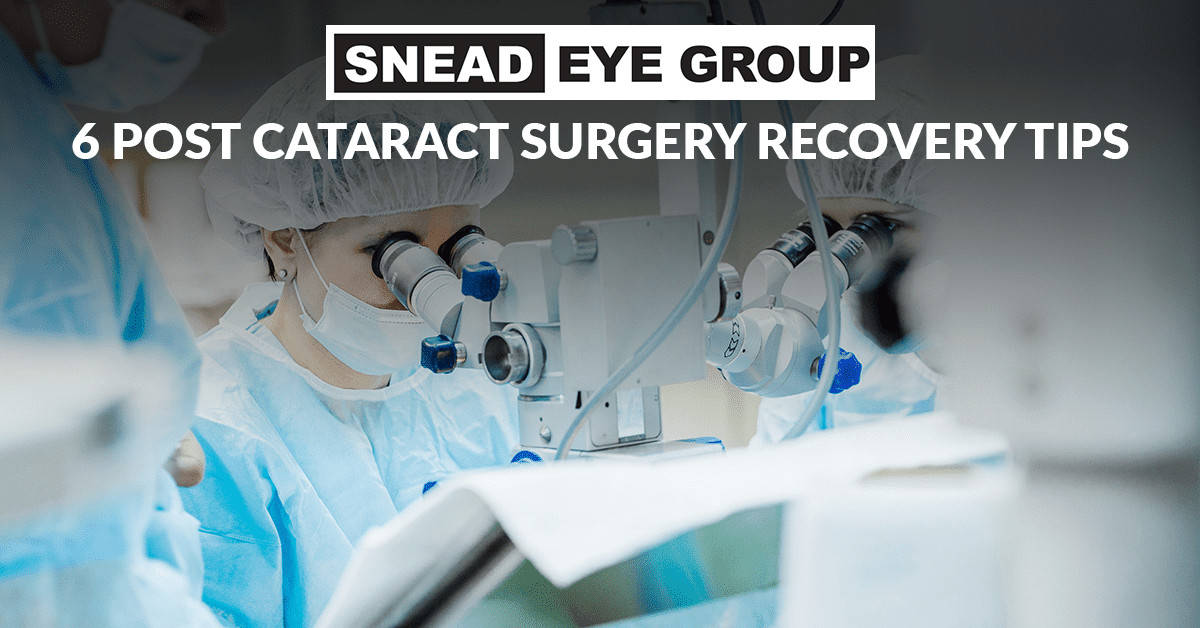
  • 6 Post Cataract Surgery Recovery Tips

    6 Post Cataract Surgery Recovery Tips

    Many patients understand preoperative cataract surgery procedures, but that’s only half the story. We at Snead Eye Group want to stress the fact that post-cataract preparation is just as important, if not more important, because proper care can guarantee that you receive the best possible recovery.

    Below we will share six cataract surgery recovery tips that will help you plan ahead to create a relaxed and successful post-cataract recovery.

    Plan Your Ride Home Ahead of Time

    Following cataract surgery, you’ll be sedated and your vision will be limited, making it necessary that you have a relative or friend drive you home. For the safety of others and yourself, we recommend that you avoid driving for 24-hours following surgery.

    Relax and Sleep

    After surgery, you will likely feel tired, but this is completely normal! Sleeping plays a crucial part in your body’s healing process so there is no need to fight this urge. Make sure you follow your doctor’s guidance and the instructions closely for post-operative healing.

    Create a Meal Plan

    If you live on your own or you are in the habit of cooking extravagant nightly meals, you may want to consider a meal plan for the first few days following postoperative surgery. As mentioned above, many patients feel tired and lethargic after surgery and find the meal making process strenuous. Plan ahead by purchasing or making pre-cooked meals!

    Avoid Bending and Heavy Lifting

    During the recovery process, the incision made in your cornea is left to reattach itself. To avoid issues such as the incision reopening, we advise all patients to avoid bending down and lifting heavy objects. These actions create pressure behind your eyes and could lead to further complications. 

    Avoid Pools and Other Irritants

    Following cataract surgery, your eyes become more susceptible to infection. It is important that you avoid getting water in your eyes as well as other irritants such as dirt, dust, and pollen. Pools, hot tubs, and tap water can all foster dangerous bacteria, because of this, we advise that you avoid these activities during your recovery process.

    Listen to Your Doctor

    A vital element of recovering from cataract surgery is listening to your eye doctor and returning for follow-up appointments. By attending all of your post-operative appointments, your doctor at Snead Eye Group is able to monitor your progress and make sure your recovery is going smoothly. If complications do arise, it is also much easier to address them early on, rather than later. Follow up appointments are also the perfect time for patients to ask questions and express any concerns they might have.

    Well, we hope that these six tips provided you with insight on what you can expect during your cataract recovery process. If you’re beginning to feel nervous or anxious about your upcoming surgery, don’t be! The recovery process following post-cataract surgery is nothing, compared to the lifetime of great vision that lies ahead of you!

  • Why Polarized Lenses?

    Why Polarized Lenses?

    For all the benefits we receive from the sun, its light can pose serious vision problems. Sunlight reflecting off smooth water, snow or flat roads can create glare which is not only annoying but can often be dangerous. Blinding sun glare can cause accidents, snow blindness and can even sunburn your eyes. Long term exposure to sun glare has been known to cause cataracts. Thankfully, polarized lenses can shield you against the dangers of intense glare.

    The Benefits of Polarized Sunglasses:

    A virtually invisible filter can be built into lenses to eliminate the amount of reflecting light that enters the eye. Polarized lenses not only reduce glare, they make images appear sharper and clearer, increasing visual clarity and comfort. Available for prescription and non-prescription sunglasses, polarized lenses can be worn indoors by light-sensitive people, including post-cataract surgery patients and those continually exposed to bright sunlight through windows.

    Most polarized sunglasses provide UV protection which is important to maintaining healthy eyesight. Just as we put on sunscreen to protect our skin, it’s critical that we protect our eyes from UV rays too.

    While any type of eye gear is better than no eye gear at all, investing in a pair of quality sunglasses will not only enhance your outdoor lifestyle but also protect your eyes from the sun’s harmful UV rays. If you have any additional questions ask our licensed opticians, and they will help you narrow down the best pair for your outdoor visual needs. (239) 230-0318