Handmade With Love

Blog

  • How to Prepare for a Comprehensive Eye Exam

    How to Prepare for a Comprehensive Eye Exam

    Comprehensive eye exams are an important part of your preventative healthcare. Even if your eyes seem healthy, routine appointments allow your eye doctor to spot concerning changes early so you can begin treatment as soon as possible. Yearly exams are even more crucial if you have a high risk of eye disease. The optometrist can monitor your health, prescribe medications, and recommend lifestyle changes to protect your eyes. If it’s been a while since your last eye exam, follow these tips to prepare for your appointment.

    What to Bring to an Eye Exam

    Before heading out the door, make sure you have everything you need. Here are the items and information to bring to an eye exam:

    • All glasses you currently wear, including prescription sunglasses
    • Contact lenses (come wearing them)
    • Contact lens case and the solution you use to clean them (you may need to remove your contact lenses during your eye appointment)
    • Contact lens boxes with prescription information
    • List of medications you take, including eye drops
    • Insurance card, if applicable
    • Notes regarding any changes your vision has undergone since your last visit
    • Questions you want to ask your eye doctor

    How to Prepare for an Eye Exam

    Plan to arrive 10 minutes early for your appointment, perhaps earlier if you’re a new patient. This gives you time to complete new-patient paperwork without feeling rushed.

    Allow about an hour for your appointment, or longer if you might be picking out new glasses, trying out different contact lenses, or discussing treatments at the end. Giving yourself plenty of time helps you remain at ease during the visit.

    If the exam will precede an eye surgery or other procedure, follow any additional instructions your optometrist gave you when you scheduled the appointment. This might include fasting for a certain number of hours or refraining from wearing makeup.

    What to Expect During Your Eye Exam

    It can be nerve-wracking to arrive at a medical appointment without knowing what to expect. Rest assured that the aspects of an eye exam are the same for most patients.

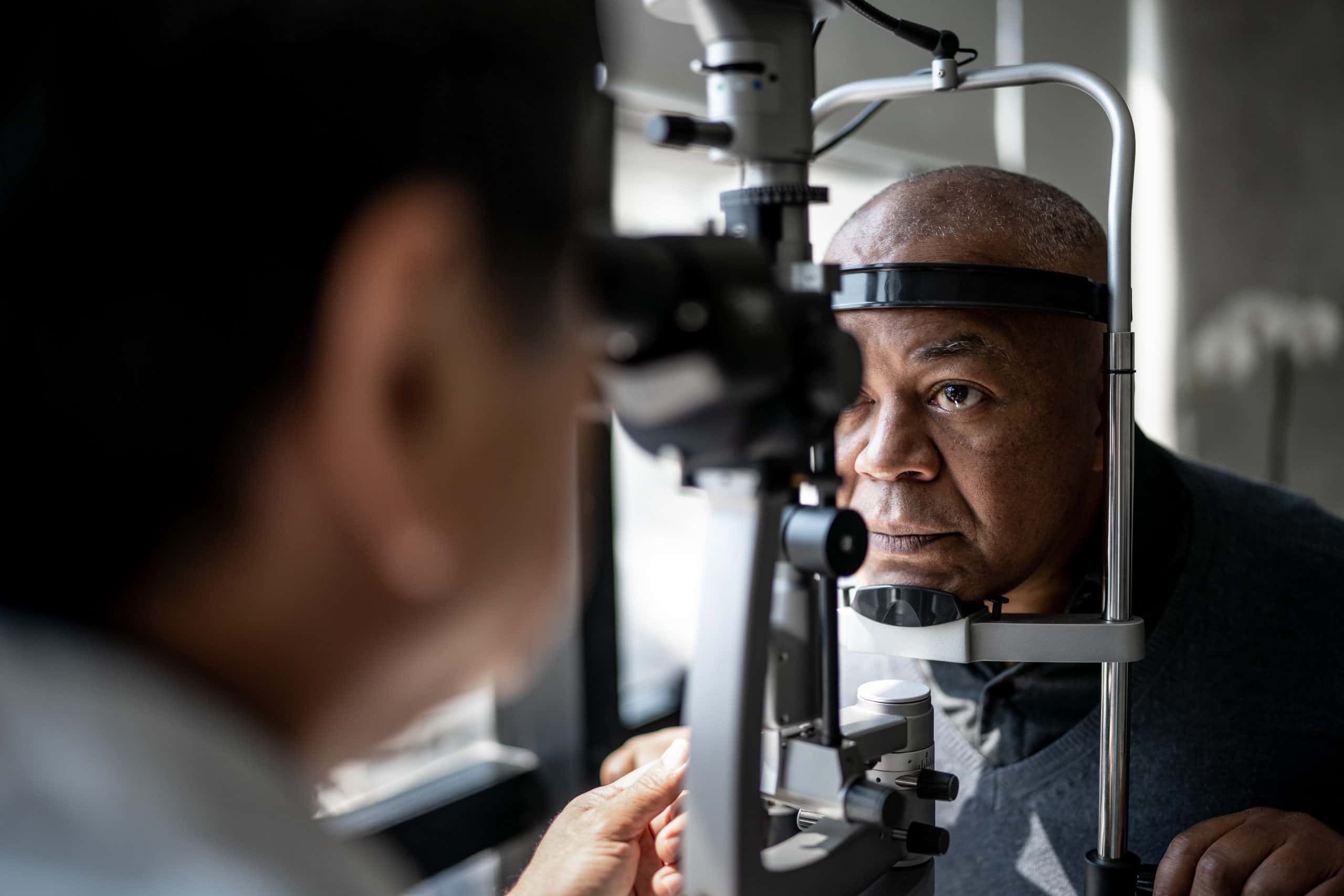
    First, the eye doctor or an office staff member will ask about your medical and vision history. When the doctor is ready, you’ll be shown to an exam room. There, you’ll undergo several painless, non-invasive tests to check your visual acuity, muscle movements, and depth perception. The doctor may also shine a light into your eyes to check your cornea, iris, lens, and retina for signs of eye disease.

    Some eye exams involve pupil dilation, but this shouldn’t occur at every appointment. Find out in advance if you should expect this during your visit so you can arrange transportation home.

    The vision specialists at Snead Eye Group are here to help you enjoy clear vision and healthy eyes. To schedule your next eye appointment, please call (239) 936-8686 or contact us online. We have four convenient locations in Fort Myers, Naples, Bonita Springs, and Cape Coral, FL, to better serve you.

  • 11 Dangerous Eye Problems You Should Never Ignore

    11 Dangerous Eye Problems You Should Never Ignore

    Do you take your eye health seriously? If you haven’t been to the eye doctor in over a year, it’s time to reassess your priorities. Routine eye exams are important for everyone at every age, even for people with healthy eyes. So if you start noticing eye problems, it’s absolutely critical to set an appointment as soon as possible. Here are 11 symptoms that could have potentially dangerous consequences if left untreated.

    1. Double vision: The inability to focus properly could mean your eye muscles are weak or your cornea is damaged. Double vision is also a symptom of several neurological and autoimmune disorders.
    2. Blurry vision: If you can’t see clearly, visit an optometrist to discuss vision correction options. When your eyesight seems not only blurry but cloudy, this could be a sign of cataracts, which can only be corrected with eye surgery.
    3. Excessive floaters or bright flashes of light: A few floaters are normal, but you should set an eye appointment if they impair your vision. Floaters accompanied by flashing lights could be a sign of retinal detachment, an emergency requiring prompt medical treatment.
    4. Stinging, burning, scratchy, or gritty sensation: These symptoms could indicate a foreign object in your eye. If that’s not the case, you might have dry eye.
    5. Glare and rainbow-colored halos around lights: You might find it difficult to see at night if headlights, streetlamps, and other light sources cause glare and halos. These eye problems could be symptoms of glaucoma.
    6. Red, watery eyes: It might just be allergies or a cold. However, if you develop red, watery eyes without respiratory symptoms, you could have an eye infection. Bacterial conjunctivitis (pink eye), keratitis, and scleritis are a few possibilities.
    7. Uneven pupil sizes: Call your eye doctor immediately if someone notices that your pupils are two different sizes. You could be having an aneurysm or other medical emergency.
    8. Eye pain or pressure: Many conditions may cause these symptoms. If the pain or pressure persists, contact your eye doctor to test for glaucoma, optic neuritis, iritis, and other conditions.
    9. Light sensitivity: You may become overly sensitive to light if you have an eye infection, scratched or injured eye, torn retina, chronic dry eye, or migraines.
    10. Loss of peripheral vision: Difficulty seeing things on the edges of your vision could point to glaucoma, diabetic retinopathy, optic nerve atrophy, or other health conditions.
    11. Loss of central vision: When dark spots form in the center of your vision, this means you could have macular degeneration.

    While you shouldn’t expect the worst if you develop these eye problems, you certainly shouldn’t ignore them! The vision specialists at Snead Eye Group can diagnose your condition and help you seek the proper treatment to restore your vision and quality of life. Call us at (239) 936-8686 or schedule your eye appointment online. We have four convenient locations in Fort Myers, Naples, Bonita Springs, and Cape Coral, FL, to better serve you.
  • How to Detect and Prevent Cataracts

    How to Detect and Prevent Cataracts

    Cataracts are a very common eye condition that mostly affects people in their 60s and older. In fact, according to the National Eye Institute, more than half of Americans will have cataracts (or surgery to correct them) by age 80. This age-related vision loss develops slowly but eventually interferes with your eyesight enough to require treatment.

    What are Cataracts?

    A cataract is when the lens of your eye becomes cloudy or opaque. This clouding results from proteins clumping together and distorting light as it enters your eye.

    Anyone can develop cataracts regardless of gender, race, or ethnicity. While this condition can appear in people of all ages, it’s usually the result of getting older. There is also a genetic component, making you more likely to develop cataracts if someone in your family has them.

    How are Cataracts Diagnosed?

    Contact your eye doctor if you start noticing cataract symptoms. These include:

    • Blurry vision
    • Dull color vision and difficulty discerning colors
    • Poor night vision
    • Double vision
    • Sensitivity to bright light
    • Glare from the sun, headlights, and other light sources
    • Frequently changing eyewear prescription
    • Noticeably cloudy eyes

    At your eye appointment, your optometrist will test for symptoms of cataracts and offer a diagnosis. Here are the methods used to detect cataracts:

    • Ask questions about your medical history and what symptoms you’re experiencing
    • Perform a visual acuity test to determine how well you see at different distances
    • Conduct a visual field test to assess your peripheral vision
    • Examine the lenses of your eyes to check for clouding and other signs of cataracts

    How to Prevent Cataracts

    Many risk factors for cataracts are out of your control, including your age and genetics. Still, you can do a few simple things to protect your eye health and lower the risk of cataracts later in life. Here are some cataract prevention tips your eye doctor may recommend:

    • Quit smoking
    • Avoid heavy alcohol consumption
    • Wear protective goggles while playing sports, performing home repairs, working in the yard, or handling chemicals
    • Wear sunglasses with UV protection
    • Manage existing diabetes and hypertension
    • Maintain a healthy weight to prevent chronic diseases
    • Schedule routine eye exams

    Arrange a Cataract Screening at Snead Eye Group

    If you’re worried about cataracts, visit Snead Eye Group to have a vision specialist check your eyes. Our comprehensive eye exams can detect numerous conditions and diseases, a necessary step before starting treatment. If you are diagnosed with cataracts, rest assured that cataract surgery can correct your vision. This well-established procedure replaces your cloudy lens with an artificial one, improving your eyesight and quality of life. The team at Snead Eye Group is ready to help you see clearly again with safe, effective cataract surgery! To schedule a cataract screening, please call us at (239) 936-8686 or contact us online today. We have four convenient locations in Fort Myers, Naples, Bonita Springs, and Cape Coral, FL, to better serve you.
  • Top 3 Questions to Ask Your Eye Doctor

    Top 3 Questions to Ask Your Eye Doctor

    Good eyesight is easy to take for granted. However, whether you have naturally 20/20 vision, wear corrective lenses, or manage an eye disease, it’s important to schedule regular eye exams. Before your next appointment, consider what you might want to ask your eye doctor. After all, it will probably be a year before your next eye exam, so it’s good to ask all your pertinent questions before the appointment ends. While you may certainly have some concerns based on your specific situation, here are three questions that apply to almost everyone.

    1. What are the best vision correction options for me?

    Vision is one of your most valued senses, so you undoubtedly want to do everything possible to keep your eyesight sharp. If you no longer see clearly, ask your eye doctor what you can do to correct it. You may be presented with these options, depending on your circumstances:

    2. Are there any specific steps I should take to protect my eyes based on my lifestyle?

    You may wonder if you should be doing anything different to better care for your eyes. Depending on your job, hobbies, and eye health, your optometrist may recommend the following:

    • Reduce digital eye fatigue when working on a computer by adjusting the lighting, wearing blue-blocking eyeglasses, and changing the screen settings.
    • Wear protective goggles when working in hazardous settings.
    • Wear sunglasses that offer UV protection.
    • Replace your contact lenses as often as prescribed. Consider switching to continuous wear or daily disposable contacts based on your lifestyle.
    • Manage diseases such as glaucoma, diabetes, and macular degeneration with help from your eye doctor.

    3. How often should I set eye appointments for myself and my family?

    Your eye care provider will suggest visit frequency based on your age, vision, eye health, and medical history. Keep in mind that most optometrists recommend eye exams every one to two years, though you may not need to have your pupils dilated every time unless your risk of eye disease is high. Consider scheduling your next appointment before you leave the office. Otherwise, you may want to create a reminder on your phone when it’s almost time for your next eye exam.

    Contact Snead Eye Group

    If it’s been more than a year since you had your eyes checked, it could be time to schedule an exam. At Snead Eye Group, we are committed to delivering the highest quality care and educating you about your eye health. We would be more than happy to listen to your questions, offering knowledgeable, personalized answers to help you make the best choices for your vision. Call us at (239) 936-8686 or contact us online today. We have four convenient locations in Fort Myers, Naples, Bonita Springs, and Cape Coral, FL, to better serve you.
  • 3 Reasons to Always Bring Your Glasses to an Eye Exam

    3 Reasons to Always Bring Your Glasses to an Eye Exam

    Do you dislike your eyeglasses? Maybe they don’t improve your vision as much as you would like, or you just don’t like wearing them. When this is the case, you may neglect to bring your glasses to your eye appointments, thinking the optometrist should start from scratch rather than work from a pair of glasses you’re not fond of. Other times, you may accidentally leave your glasses at home or grab the wrong pair as you rush out the door to your appointment. However, it’s important to always bring your glasses to an eye exam. Here are three reasons why.

    Your eye doctor needs to know what type of glasses you have and how you wear them.

    Regardless of whether you like your glasses, your eye doctor still wants to see them, even if the goal is to find out what’s not working for you. Do you wear glasses to correct distance vision, or do you have reading glasses for up-close tasks? Do the glasses have bifocal or trifocal lenses? Do they have progressive lenses that darken when you step outside? What about blue-blocking, scratch-resistant, or anti-glare coatings? The only way for your eye doctor to know is if you bring your glasses to your appointment.

    Your eye doctor wants to evaluate how well you see with your glasses.

    If your biggest complaint is that your glasses don’t correct your vision properly, it’s helpful for your eye doctor to examine them. A special machine can measure the prescription of your corrective lenses, which your eye doctor can compare to the actual refractive errors in your eyes. Chances are if you’re not seeing clearly, your prescription needs an update.

    Your eye doctor wants to compare your current prescription to the new one.

    Many people with eyeglasses have some degree of astigmatism. If the optometrist changes your prescription too dramatically, you may not tolerate new glasses well. Eye strain, headaches, a pulling sensation, or the impression that flat objects are slanted could make the new glasses worse than your old ones! These problems may be avoided if your eye doctor can use your old glasses for reference when determining the right strength for new prescription lenses.

    Schedule Your Next Eye Exam at Snead Eye Group

    If it’s been more than a year since your last eye exam, it’s time to schedule a visit. Be sure to bring your glasses with you, even if you don’t like them or you ordinarily wear contact lenses. By doing so, you’ll make the most of your visit and leave with the best vision possible. If you’re looking for a new eye doctor, see what Snead Eye Group has to offer. We deliver the highest quality care and are committed to educating patients about their eye health. Our goal is to improve your quality of life by helping you see more clearly! Call (239) 936-8686 or contact us online today to schedule an eye exam in Fort Myers, Naples, Bonita Springs, or Cape Coral, FL.

  • How Do Cataracts Affect Your Vision?

    How Do Cataracts Affect Your Vision?

    Cataracts are among the most common causes of age-related vision loss, affecting millions of Americans each year. Cataracts often start forming around 40 or 50 years old, though symptoms may not become apparent until around age 60. The average age for cataract surgery is 73. If you’re in your 60s and think you may be developing cataracts, learn more about this age-related vision loss and what treatments are available.

    What are Cataracts?

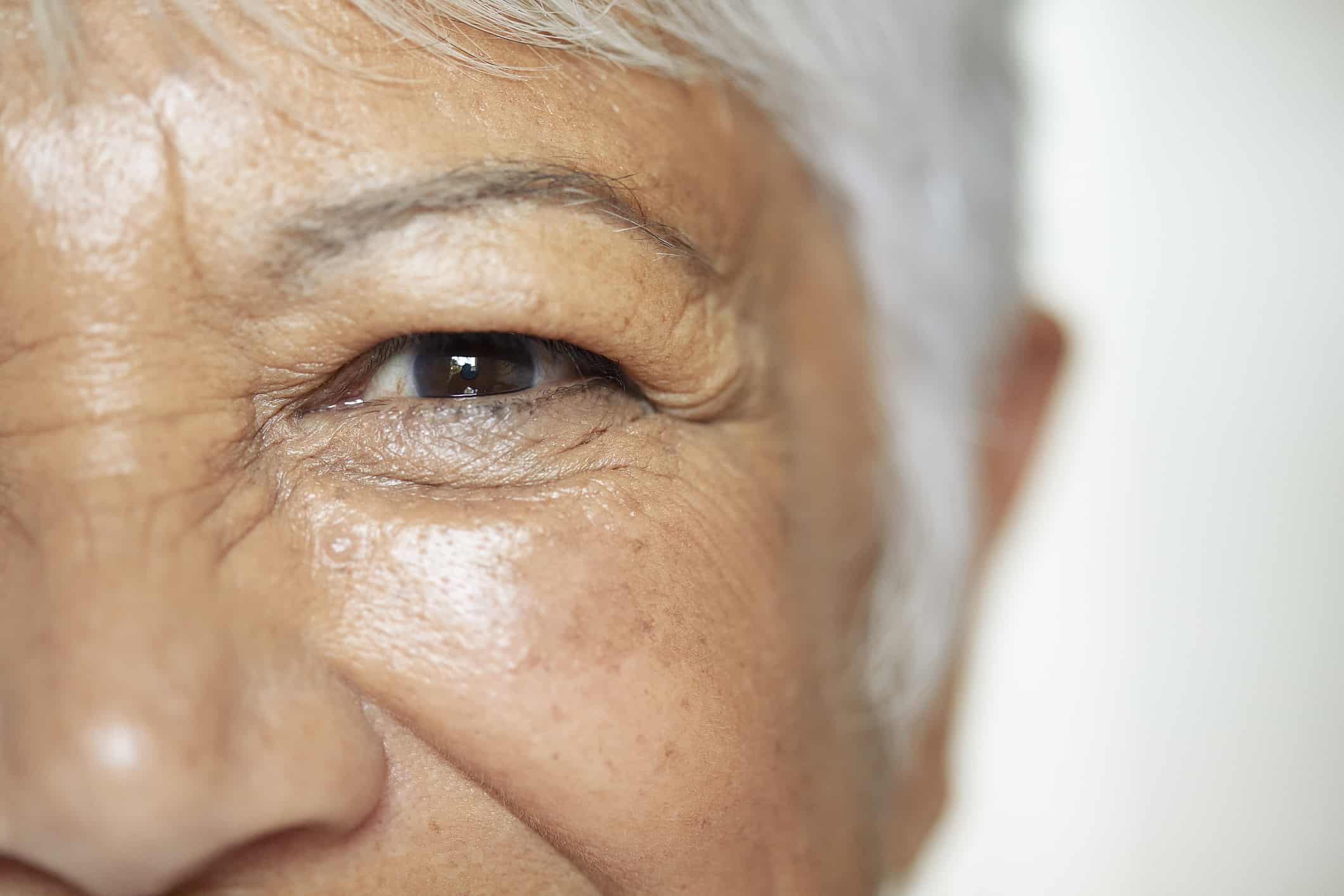
    Cataracts cause the lenses of your eyes to become cloudy or opaque. One or both eyes may be affected.

    Aging is the most common cause of cataracts. As you get older, the water and protein in your eyes change, leading to clumping protein and a cloudy lens. There is also a genetic component, meaning you are more likely to develop cataracts if an immediate family member has them. Other less common causes include:

    • Chronic diseases like diabetes and hypertension (high blood pressure)
    • Overexposure to sunlight
    • Smoking and excessive alcohol consumption
    • Steroid use
    • Eye injuries

    What are the Symptoms of Cataracts?

    Cloudy lenses distort light as it enters the eyes, leading to these cataract symptoms:

    • Blurred vision
    • Dulled color vision
    • Sensitivity to bright light
    • Poor night vision
    • Glare from the sun, headlights, and other light sources
    • Double vision

    Treating Cataracts with Surgery

    Cataracts are not painful, so they often go unnoticed until your vision declines. That’s why it’s critical to schedule regular eye doctor visits, especially as you get older. Routine eye exams lead to an earlier diagnosis so you can begin treatment sooner.

    In the early stages, wearing prescription eyeglasses can help improve vision. However, this progressive disease will continue to worsen until it affects your quality of life. At that point, your eye doctor may recommend cataract surgery.

    This procedure involves removing the cloudy lens and replacing it with an artificial one called an intraocular lens (IOL). Different lenses are available based on your lifestyle and vision needs. Keep in mind that you may still need to wear glasses after having surgery to help with distance vision, up-close vision, or both.

    Cataract surgery is effective and well-established, with around 10 million cataract surgeries performed each year worldwide. A vast majority of patients enjoy improved vision and quality of life after having this procedure.

    Schedule a Cataract Screening at Snead Eye Group

    While there’s no specific way to prevent cataracts, living a healthy lifestyle can keep your vision clear for as long as possible. In the meantime, continue to schedule regular eye exams to detect and treat cataracts and other vision problems. If you need a new eye doctor, Snead Eye Group would be happy to fill that role. Our vision specialists are ready to help you see clearly again with safe, effective cataract surgery! Call us at (239) 936-8686 to schedule a cataract screening. We have four convenient locations in Fort Myers, Naples, Bonita Springs, and Cape Coral, FL, to better serve you.
  • Do I Still Need Glasses After Cataract Surgery?

    Do I Still Need Glasses After Cataract Surgery?

    [et_pb_section fb_built=”1″ _builder_version=”4.16″ global_colors_info=”{}” theme_builder_area=”post_content”][et_pb_row _builder_version=”4.16″ background_size=”initial” background_position=”top_left” background_repeat=”repeat” global_colors_info=”{}” theme_builder_area=”post_content”][et_pb_column type=”4_4″ _builder_version=”4.16″ custom_padding=”|||” global_colors_info=”{}” custom_padding__hover=”|||” theme_builder_area=”post_content”][et_pb_text _builder_version=”4.16″ background_size=”initial” background_position=”top_left” background_repeat=”repeat” global_colors_info=”{}” theme_builder_area=”post_content”]

    If your vision has gone cloudy due to cataracts, you may be interested in cataract surgery. This is the only way to eliminate cataracts since the condition never reverses on its own.

    Cataract eye surgery has come a long way in the past few years. Instead of the risky, time-consuming procedure it once was, FDA-cleared laser cataract surgery allows your ophthalmologist to replace your clouded lens in just 10 minutes. There’s no need for a hospital stay, and the recovery process is usually fast and straightforward.

    After cataract surgery, you can expect your vision to be better than ever! After all, cataract eye surgery doesn’t just replace your cloudy lens with an artificial one—it can also fix the refractive errors in your eye.

    With all this in mind, many patients wonder if they will still need glasses after cataract surgery. The answer depends on the type of intraocular lens (IOL) you and your doctor choose based on your personal health and vision goals.

    Types of Intraocular Lenses

    When you elect to have cataract surgery, your eye doctor will discuss the available IOLs and work with you to determine which one meets your needs best. Consider the most popular options:

    • Monofocal intraocular lenses have one focusing distance—long-range, mid-range, or up-close. Most people choose lenses for clear long-range vision and wear glasses for mid-range tasks like working on the computer and up-close tasks like sewing or reading. If you have astigmatism, you will need glasses to see objects within all ranges of vision.
    • Multifocal intraocular lenses provide clear vision at long-distance, mid-range, and up-close, reducing the need for corrective lenses or even reading glasses. These IOLs could be a good choice if you want to lower your dependence on glasses and enjoy the best vision possible at all ranges.
    • Vivity intraocular lenses are classified as “Extended Range of Vision,” allowing you to focus both near and far without glasses. This is superior to basic monofocal lenses, which require glasses for either distance or up-close viewing. Vivity IOLs are a great alternative for anyone who is not a candidate for multifocal lenses due to macular disorders or glaucoma.
    • Toric intraocular lenses correct astigmatism, a common condition where the eye is cone-shaped instead of round. These lenses improve night vision and decrease your dependence on glasses while driving. However, you may still need to wear glasses for up-close tasks like reading.

    Schedule a Cataract Screening at Snead Eye Group

    In the end, cataract surgery clears up your cloudy vision, but you may still require glasses in some situations, depending on the type of intraocular lens you and your doctor decide is best for you. To discuss your options, please reach out to Snead Eye Group. Our vision specialists are ready to help you see clearly again! Call us at (239) 936-8686 or schedule your appointment online today. We have four convenient locations in Fort Myers, Naples, Bonita Springs, and Cape Coral, FL, to better serve you.
    [/et_pb_text][/et_pb_column][/et_pb_row][/et_pb_section]

  • How Long Does it Take to See Clearly After Cataract Surgery?

    How Long Does it Take to See Clearly After Cataract Surgery?

    [et_pb_section fb_built=”1″ admin_label=”section” _builder_version=”4.16″ global_colors_info=”{}” theme_builder_area=”post_content”][et_pb_row admin_label=”row” _builder_version=”4.16″ background_size=”initial” background_position=”top_left” background_repeat=”repeat” global_colors_info=”{}” theme_builder_area=”post_content”][et_pb_column type=”4_4″ _builder_version=”4.16″ custom_padding=”|||” global_colors_info=”{}” custom_padding__hover=”|||” theme_builder_area=”post_content”][et_pb_text admin_label=”Text” _builder_version=”4.21.0″ background_size=”initial” background_position=”top_left” background_repeat=”repeat” hover_enabled=”0″ global_colors_info=”{}” theme_builder_area=”post_content” sticky_enabled=”0″]

    Millions of people undergo cataract surgery every year, making it the most frequently performed operation in the US. This eye surgery corrects the natural effects of aging, restoring clear eyesight that should last the rest of your life. Just be aware that the results are not instant—you must give your eyes time to heal before you can expect to see clearly again.

    When Will Vision Clear Up After Cataract Surgery?

    The blurry or hazy vision immediately after cataract surgery is a common concern for many people. However, this is completely normal and may last for a day or two. As your eyes heal, your eyesight should continue to improve. The recovery process may take anywhere from a few days to a few weeks, depending on these factors:

    • Age: In general, a 60-year-old will heal faster from cataract surgery than an 85-year-old.
    • Density of your cataract: A mild, newly formed cataract is easier to remove than a thick, dense cataract that has progressively worsened over many years.
    • Overall health: Someone in good health is likely to recover faster than someone with diabetes, heart disease, or other chronic conditions.
    • Surgical technique: Modern advancements in cataract surgery allow ophthalmologists to use lasers instead of scalpels to replace the clouded lens in your eye. FDA-cleared bladeless laser cataract surgery involves no sutures, no blood, no pain, and possibly no eye drops. The entire procedure takes 10 minutes, and there’s no need to stay overnight in the hospital. More precise incisions lead to faster recovery times and better long-term results.

    How to Speed Up the Recovery Process After Cataract Surgery

    While laser cataract surgery is faster and less invasive than traditional surgery, you should still take time off to relax and recover at home. Here’s what to do:

    • Arrange to have a family member drive you home after surgery.
    • Do not place any pressure on your eyes.
    • Protect your eyes from dust, pollen, and other irritants.
    • Avoid heavy lifting for one week.
    • Stay out of swimming pools and hot tubs for two weeks.
    • Apply lubricating and antibiotic eye drops as prescribed.
    • Attend your follow-up appointment to make sure your eyes are healing as expected.

    Have the Right Expectations After Cataract Surgery

    Once your eyes have fully healed, your vision should be better than it was before your cataracts developed. After all, a new intraocular lens (IOL) doesn’t just get rid of your cloudy vision—it also fixes the refractive errors in your eye. Work closely with your ophthalmologist to choose the right type of IOL based on your personal health and long-term vision goals.

    Schedule a Cataract Screening at Snead Eye Group

    The vision specialists at Snead Eye Group are ready to help you see clearly again! For more information about cataract surgery or to schedule an appointment, please call (239) 936-8686. We have four convenient locations in Fort Myers, Naples, Bonita Springs, and Cape Coral, FL, to better serve you.
    [/et_pb_text][/et_pb_column][/et_pb_row][/et_pb_section]
  • How to Tell If I Need Cataract Surgery

    How to Tell If I Need Cataract Surgery

    A cataract is when the lens of your eye becomes cloudy and causes interference with light passing through to the retina. Most cataracts develop slowly over time, so the changes to your vision may occur gradually. This condition typically affects older people, with more than half of Americans over age 80 suffering impaired vision due to cataracts.

    If you’re struggling to see as you get older, schedule a cataract screening. Your eye doctor may recommend cataract eye surgery if your reduced vision interferes with your daily activities. This is the most frequently performed surgery in the US, with millions of successful procedures completed every year. Surgery is the only way to restore your vision once cataracts set in, so there’s no need to delay if your quality of life is suffering.

    Cataracts don’t usually hurt, but they can affect your vision in many ways. Watch for these symptoms of cataracts to help you know when to get cataract surgery.

    • Cloudy or blurry vision: As proteins build up on the lens of your eye, your vision may become cloudy. Only a limited area of your visual field may be affected at first, with the blurriness eventually overtaking your vision completely. As this happens, the lens of your eye may start to appear cloudy to observers.
    • Worsening night vision: You may find it more difficult than usual to see after dark, a condition called night blindness (nyactalopia), which makes it dangerous to drive at night.
    • Light sensitivity, glare, and halos: Even normal light levels may be too bright for you if you have cataracts. You may also experience annoying glare and halos as light reacts differently to your clouding lenses. The effects may be worse after dark, making night blindness even more disorienting.
    • Double vision: The alterations to your lenses can affect how your brain processes images. The resulting double vision can have dangerous side effects, such as balance issues, falls, and hazardous driving.
    • Dull-looking colors: Cataracts change the way you see color. You may notice yellow or brown tints within your visual field, and colors may look more muted and dull than they once did.
    • Frequently changing eyewear prescription: It’s common to experience slight changes to your glasses and contact lens prescriptions as you age, but these changes may be more significant if you have cataracts.

    Schedule a Cataract Screening at Snead Eye Group

    Modern advancements in cataract surgery make it a no-brainer if you’re experiencing eyesight issues due to cataracts. The vision specialists at Snead Eye Group can accurately diagnose your condition and set you on the path to fully restored eyesight. You may even experience better vision after the procedure than before you developed cataracts! It’s all possible thanks to FDA-cleared bladeless laser cataract surgery, delivering precise incisions, faster recovery times, and better long-term results. To learn more, please call us at (239) 936-8686 or schedule an appointment online. We have four convenient locations in Fort Myers, Naples, Bonita Springs, and Cape Coral, FL, to better serve you.

  • How Do I Know if My Migraine is Related to Eye Strain?

    How Do I Know if My Migraine is Related to Eye Strain?

    [et_pb_section admin_label=”section”] [et_pb_row admin_label=”row”] [et_pb_column type=”4_4″][et_pb_text admin_label=”Text”]

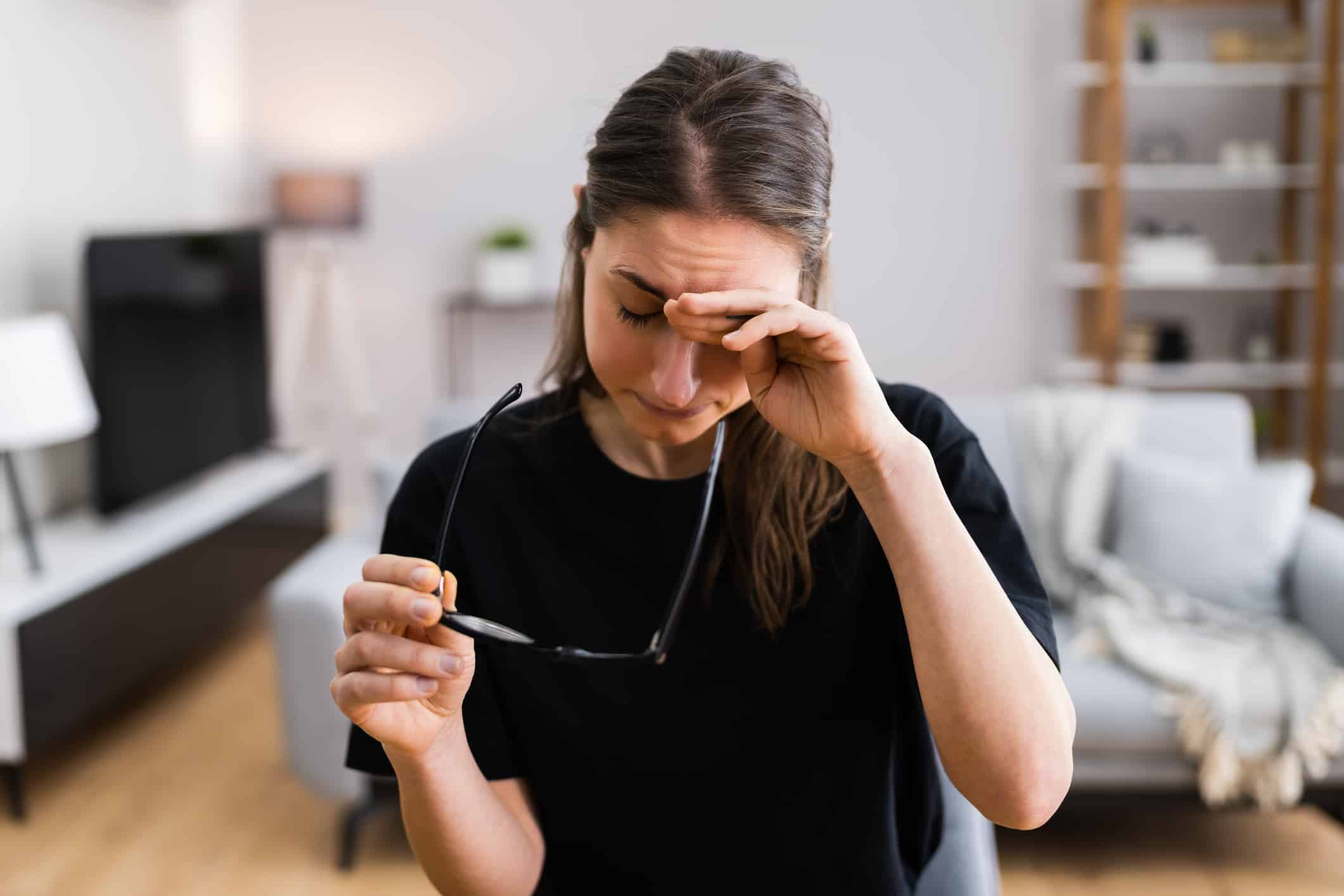
    Headaches and migraines affect millions of people in the US. The numerous causes range from hormones and genetics to poor diet and dehydration to high stress and muscle tension. There’s also a clear connection between headaches and eye strain. The best way to tell if eye problems are the cause of your headaches or migraines is to consult an eye doctor.

    What is Eye Strain?

    Eye strain results from over-focusing on a particular object, resulting in excessive muscle contractions that can trigger a headache. While strained eyes don’t cause permanent damage, the condition can be very uncomfortable. Common causes of eye strain include:

    • Working long hours in front of a screen
    • Reading, especially in low light
    • Driving for hours
    • Doing up-close work
    • Wearing incorrect glasses or contact lenses

    Can Eye Strain Cause Migraines?

    Eye strain is one of the many possible causes of headaches and migraines. Other eye problems, particularly those that lead to squinting, can also trigger a migraine. These include:

    • Dry eye
    • Eye infection and inflammation
    • Injured cornea
    • Cataracts
    • Glaucoma
    • Tumor behind the eye
    • Optic nerve conditions
    • Untreated astigmatism or refractive errors

    How to Prevent Eye Strain & Eye-Related Migraines

    Be aware that most people with headaches and migraines do not have an underlying eye condition. However, chronic eye strain can lead to chronic headaches. By making simple changes to your working, reading, and driving environments, you may be able to prevent eye strain and the resulting headaches. Here’s what we recommend:

    • Make healthy lifestyle changes to reduce the risk of developing headaches. For instance, stay hydrated, exercise regularly, manage stress, and get enough sleep.
    • Maintain good sitting posture when working at the computer. If necessary, adjust your screen so you gaze slightly downward at it.
    • Wear computer glasses or adjust the coloration of your monitor to reduce the impact of blue light.
    • Follow the 20-20-20 rule. This involves resting your eyes during screen time or up-close work every 20 minutes by looking at an object at least 20 feet away for 20 seconds.
    • Only read in well-lit settings.
    • Wear sunglasses while driving or spending time outside to reduce glare.
    • Use artificial tears or run a humidifier to combat dry eyes.
    • Schedule an eye exam. Be sure to bring up the concerns you have about your headaches at your appointment.

    Schedule an Appointment at Snead Eye Group

    If you suspect that eye strain or another eye problem is to blame for your headaches, visit an eye doctor as soon as possible. At Snead Eye Group, we can check and update your prescription, test your eyes for undiagnosed vision problems, and offer personalized tips to reduce eye strain based on your lifestyle. Call us today at (239) 936-8686 or contact us online to schedule an appointment with our eye specialists. We have four convenient locations in Fort Myers, Naples, Bonita Springs, and Cape Coral, FL, to better serve you.

    [/et_pb_text][/et_pb_column] [/et_pb_row] [/et_pb_section]