
This is a great summer afternoon lunch or light dinner option chock-full of “Vitamin Sunshine,” otherwise known as vitamin D!
Canned tuna is easy to store and has a long shelf life, so it’s no surprise that it ranks pretty high in convenience as a natural vitamin D source. To get more vitamin D, use canned light tuna rather than albacore, which is sometimes called canned white tuna.
This recipe serves one person, so you will get about 150 IU of vitamin D from its 3 ounces of tuna.
Ingredients
3 ounces drained tuna (packed in water)
1/2 cup halved red grapes
1 tablespoon slivered almonds
1 tablespoon chopped fresh mint
1 tablespoon lemon juice
2 teaspoons olive oil
1/8 teaspoons black pepper
1 whole-grain pita, halved
Directions
Combine first 7 ingredients in a small bowl. Toss gently. Serve in pita halves.
Recipe courtesy of  .com
.com
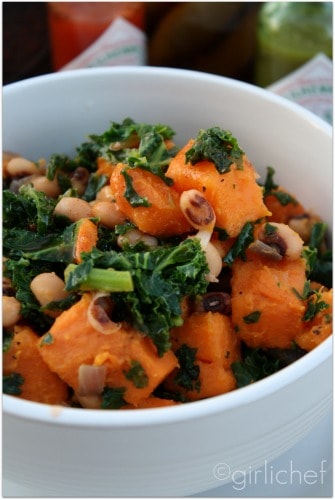 For over 40 Years, the
  Good nutrition and vision go hand in hand. Eating a diet with a variety of foods loaded with key nutrients for maintaining and improving eye health can help you maintain better sight. This
  Here is an
  Zeaxanthin, a




 Research shows that one in four
 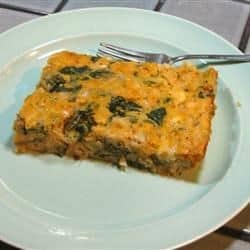 We’ve talked previously about Lutein and Zeaxanthin and how eating foods rich in these two antioxidants can lower your risk of macular degeneration. Green leafy vegetables like spinach are high in both. Egg yolks are a great source of Lutein also. So, in honor of Saint Patrick’s day and all things green, as well as good eye health, here’s a link to an Egg & Spinach Casserole from
  Salmon is one of the best sources of eye-healthy omega-3 fatty acids, which have been shown to reduce the risk of ARMD and help treat dry eye disease. An Ophthalmology study reported that high dietary intakes of omega-3 fatty acids resulted in a 38% reduction in the risk for ARMD. Salmon is also a natural source of vitamin D, which may also prove to have eye health benefits. This lunch recipe featuring canned salmon happens to be delicious and can be prepared in less than 20 minutes! Find the
  Emphasize a rainbow diet with plenty of colorful fruits and vegetables that contain lutein and zeaxanthin, carotenoids that destroy free radicals and can compromise night vision. Eat a leafy green salad each day. Here’s a recipe to an