Handmade With Love

Category: Eye Health

  • 5 Early Signs You Might Have Cataracts and What to Do Next

    5 Early Signs You Might Have Cataracts and What to Do Next

    [et_pb_section fb_built=”1″ _builder_version=”4.27.0″ _module_preset=”default” custom_margin=”-25px|||||” custom_padding=”12px|||||” global_colors_info=”{}” theme_builder_area=”post_content”][et_pb_row _builder_version=”4.27.0″ _module_preset=”default” custom_margin=”-20px|auto||auto||” global_colors_info=”{}” theme_builder_area=”post_content”][et_pb_column type=”4_4″ _builder_version=”4.27.0″ _module_preset=”default” global_colors_info=”{}” theme_builder_area=”post_content”][et_pb_text _builder_version=”4.27.0″ _module_preset=”default” global_colors_info=”{}” theme_builder_area=”post_content”]

    Cataracts are among the most common eye conditions, especially as we age. They occur when the normally clear eye lens becomes cloudy, leading to vision problems that can significantly affect daily life.

    Recognizing the early signs of cataracts can help you seek timely treatment, preserve your vision, and maintain your quality of life. In this blog post, we’ll explore the common symptoms of cataracts, how they develop, and what steps you can take if you suspect you have them.

    What Are Cataracts?

    Cataracts develop when proteins in the lens of your eye break down and clump together, creating cloudy areas. These protein clumps can grow larger over time, gradually obscuring vision. While cataracts can form at any age, they are most commonly seen in older adults. Other factors, such as diabetes, excessive sun exposure, smoking, and certain medications, can increase the risk of cataracts.

    5 Common Signs and Symptoms of Cataracts

    1. Blurry or Cloudy Vision

    One of the most noticeable signs of cataracts is blurry or cloudy vision. It may feel like you’re looking through a foggy window or a piece of wax paper. This cloudiness can occur in small patches or affect your entire field of vision. You might find it increasingly difficult to see clearly, especially when trying to read, drive, or perform tasks that require sharp vision.

    1. Difficulty Seeing at Night

    As cataracts progress, they can cause vision problems in low-light conditions, such as at night or in dimly lit rooms. You may notice that driving at night becomes more challenging, especially when it comes to seeing street signs, lane markers, or other vehicles. The increased difficulty seeing in dark conditions can be hazardous and should not be ignored.

    1. Sensitivity to Light and Glare

    If you find yourself squinting or shielding your eyes more often, you may be experiencing increased sensitivity to light and glare—a common symptom of cataracts. Bright sunlight, headlights, or even indoor lighting can seem overwhelmingly harsh, making it uncomfortable to be in bright environments. Glare from lights can also create halos or starburst patterns around them, further complicating your vision.

    1. Halos Around Lights

    Seeing halos around lights, particularly at night, is another early warning sign of cataracts. These halos often appear as bright circles or rings of light surrounding streetlights, car headlights, or other illumination sources. Halos can be distracting and make night driving more dangerous, contributing to the sense that lights are excessively bright or blurry.

    1. Fading or Yellowing of Colors

    Cataracts can cause colors to appear faded, dull, or less vibrant. You might notice that whites seem more yellow or that your overall perception of color has changed. This symptom occurs because cataracts can filter light differently, altering how you see the world around you. Everyday tasks like matching clothing colors or appreciating the beauty of a sunset can become more difficult.

    What to Do If You Suspect You Have Cataracts

    If you recognize any of these symptoms, Schedule an appointment now!

    Treatment Options for Cataracts

    In the early stages, when cataracts are not severely affecting your daily activities, your doctor may suggest managing symptoms with new eyeglasses, anti-glare sunglasses, or magnifying lenses. However, surgery is often recommended to restore clear vision as cataracts progress.

    The surgical procedure involves removing the cloudy lens and replacing it with an artificial lens called an intraocular lens (IOL). Cataract surgery is one of the most commonly performed surgeries worldwide and has a high success rate. The procedure is usually quick, safe, and performed on an outpatient basis, allowing you to go home the same day.

    [/et_pb_text][/et_pb_column][/et_pb_row][et_pb_row _builder_version=”4.27.0″ _module_preset=”default” custom_margin=”-20px|auto||auto||” global_colors_info=”{}” theme_builder_area=”post_content”][et_pb_column type=”4_4″ _builder_version=”4.27.0″ _module_preset=”default” global_colors_info=”{}” theme_builder_area=”post_content”][et_pb_cta title=”Claim your Free Cataract Screening” button_text=”Click Here” _builder_version=”4.27.4″ _module_preset=”default” hover_enabled=”0″ global_colors_info=”{}” theme_builder_area=”post_content” sticky_enabled=”0″]

    Think you might have cataracts? Get a Free Cataract Screening by March 31, 2025! Don’t wait until your vision noticeably deteriorates—taking action today can help safeguard your eyesight and ensure a higher quality of life for years to come.

    [/et_pb_cta][et_pb_button button_url=”https://www.sneadeye.com/contact-us/” button_text=”Schedule an Appointment Now!” button_alignment=”center” _builder_version=”4.27.4″ _module_preset=”default” global_colors_info=”{}” theme_builder_area=”post_content”][/et_pb_button][/et_pb_column][/et_pb_row][/et_pb_section]
  • 7 Essential Tips for Maintaining Good Eye Health After 45

    7 Essential Tips for Maintaining Good Eye Health After 45

    [et_pb_section fb_built=”1″ _builder_version=”4.16″ hover_enabled=”0″ global_colors_info=”{}” theme_builder_area=”post_content” sticky_enabled=”0″ custom_padding=”8px|||||”][et_pb_row _builder_version=”4.16″ background_size=”initial” background_position=”top_left” background_repeat=”repeat” global_colors_info=”{}” theme_builder_area=”post_content” custom_padding=”5px|||||” custom_margin=”-24px|auto||auto||”][et_pb_column type=”4_4″ _builder_version=”4.16″ custom_padding=”|||” hover_enabled=”0″ global_colors_info=”{}” custom_padding__hover=”|||” theme_builder_area=”post_content” sticky_enabled=”0″][et_pb_text _builder_version=”4.25.0″ background_size=”initial” background_position=”top_left” background_repeat=”repeat” hover_enabled=”0″ global_colors_info=”{}” theme_builder_area=”post_content” sticky_enabled=”0″]

    Our vision naturally changes as we age, making eye care more important than ever. If you’re 45 or older, you may have noticed subtle shifts in your eyesight—like the need for brighter light while reading or difficulty focusing on nearby objects. The good news is, with the proper care, you can protect your vision and maintain eye health for years. Here are seven essential tips to help you do just that.

      1. Schedule Regular Eye Exams
        After 45, regular eye exams become increasingly important. Many eye conditions, such as glaucoma and macular degeneration, develop gradually without noticeable symptoms. An annual comprehensive eye exam can detect these issues early, allowing for timely treatment to prevent vision loss. Be sure to ask your eye doctor about specific tests for age-related eye conditions.
      2. Eat a Vision-Healthy Diet
        What you eat plays a significant role in maintaining your eye health. Incorporate foods rich in omega-3 fatty acids, lutein, zinc, and vitamins C and E into your diet. These nutrients are found in leafy greens, fatty fish, nuts, seeds, and colorful fruits and vegetables. They help reduce the risk of cataracts and macular degeneration, common age-related eye conditions.
      3. Wear Sunglasses Year-Round
        UV rays from the sun can damage your eyes, leading to cataracts and macular degeneration over time. Protect your eyes by wearing sunglasses that block 100% UVA and UVB rays whenever you’re outside, even on cloudy days. Wraparound styles offer the best protection by preventing sunlight from entering from the sides.
      4. Manage Chronic Conditions
        Chronic health conditions like diabetes, high blood pressure, and high cholesterol can have a direct impact on your eye health. For instance, diabetes can lead to diabetic retinopathy, a condition that damages the blood vessels in the retina. Managing these conditions with the help of your healthcare provider can significantly reduce your risk of developing serious eye problems.
      5. Stay Active
        Regular physical activity isn’t just good for your body; it’s also beneficial for your eyes. Exercise helps improve blood circulation, increases oxygen levels in the eyes, and helps remove toxins. Staying active can also help control conditions like diabetes and high blood pressure, further protecting your vision.
      6. Give Your Eyes a Break
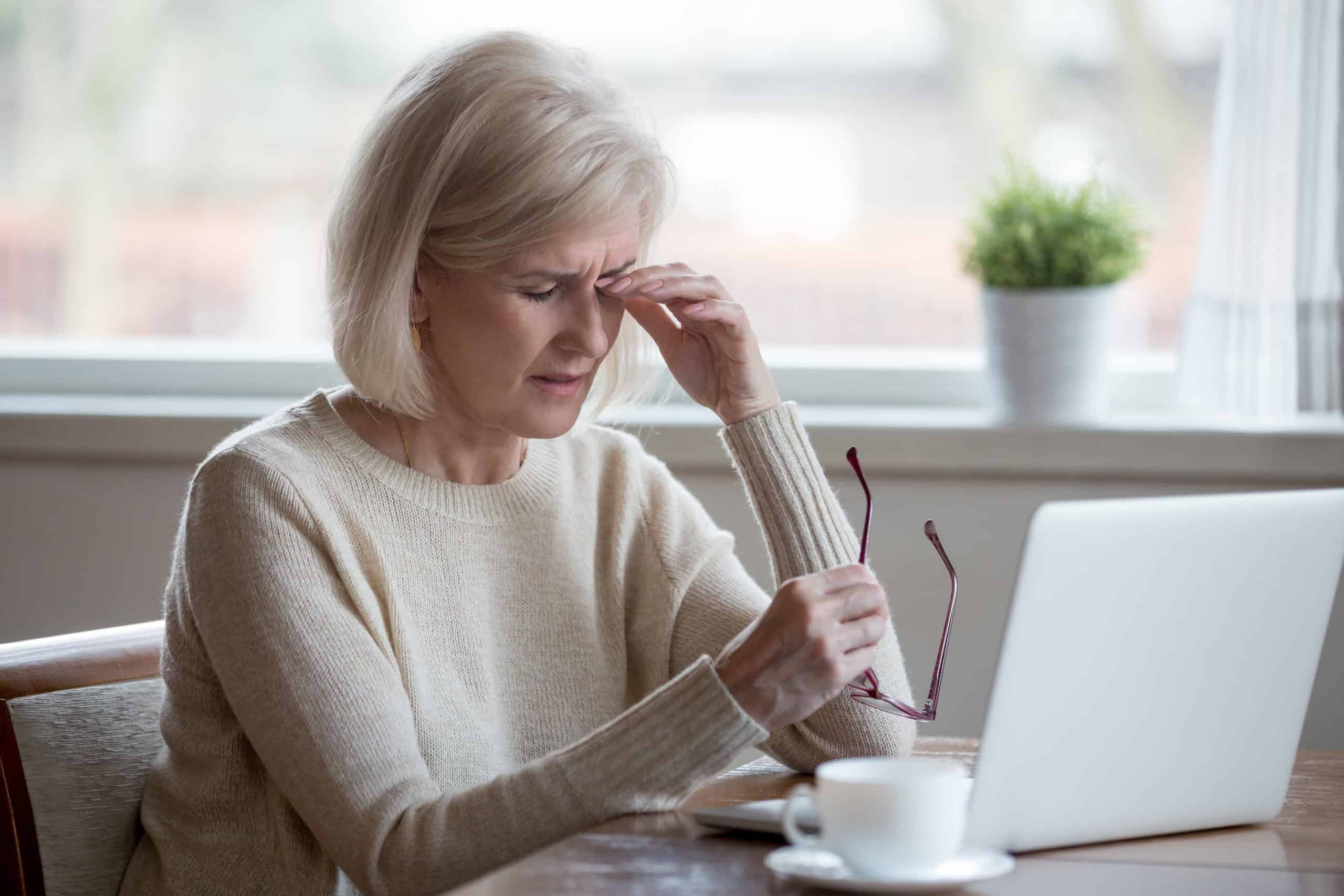
        If you spend a lot of time staring at screens, you may experience digital eye strain, which can cause dry eyes, headaches, and blurred vision. Follow the 20-20-20 rule: every 20 minutes, take a 20-second break to look at something 20 feet away. This simple habit can help reduce eye strain and keep your eyes feeling comfortable.
      7. Quit Smoking
        Smoking is harmful to your eyes and increases your risk of developing cataracts, macular degeneration, and damage to the optic nerve. Quitting smoking at any age can reduce your risk of eye diseases and improve your overall health. If you’re struggling to quit, talk to your doctor about resources and support groups that can help.

    Conclusion
    Maintaining good eye health after 45 is essential for preserving your vision and overall quality of life. By following these seven tips, you can take proactive steps to protect your eyes and enjoy clear, healthy vision for years to come. Don’t wait until you notice a problem—start caring for your eyes today! 

    If you have any concerns about your eye health or are due for an eye exam, contact Snead Eye Group to schedule an appointment. We’re here to help you see your best at every age! 

    [/et_pb_text][/et_pb_column][/et_pb_row][/et_pb_section]
  • How to Prepare for a Comprehensive Eye Exam

    How to Prepare for a Comprehensive Eye Exam

    Comprehensive eye exams are an important part of your preventative healthcare. Even if your eyes seem healthy, routine appointments allow your eye doctor to spot concerning changes early so you can begin treatment as soon as possible. Yearly exams are even more crucial if you have a high risk of eye disease. The optometrist can monitor your health, prescribe medications, and recommend lifestyle changes to protect your eyes. If it’s been a while since your last eye exam, follow these tips to prepare for your appointment.

    What to Bring to an Eye Exam

    Before heading out the door, make sure you have everything you need. Here are the items and information to bring to an eye exam:

    • All glasses you currently wear, including prescription sunglasses
    • Contact lenses (come wearing them)
    • Contact lens case and the solution you use to clean them (you may need to remove your contact lenses during your eye appointment)
    • Contact lens boxes with prescription information
    • List of medications you take, including eye drops
    • Insurance card, if applicable
    • Notes regarding any changes your vision has undergone since your last visit
    • Questions you want to ask your eye doctor

    How to Prepare for an Eye Exam

    Plan to arrive 10 minutes early for your appointment, perhaps earlier if you’re a new patient. This gives you time to complete new-patient paperwork without feeling rushed.

    Allow about an hour for your appointment, or longer if you might be picking out new glasses, trying out different contact lenses, or discussing treatments at the end. Giving yourself plenty of time helps you remain at ease during the visit.

    If the exam will precede an eye surgery or other procedure, follow any additional instructions your optometrist gave you when you scheduled the appointment. This might include fasting for a certain number of hours or refraining from wearing makeup.

    What to Expect During Your Eye Exam

    It can be nerve-wracking to arrive at a medical appointment without knowing what to expect. Rest assured that the aspects of an eye exam are the same for most patients.

    First, the eye doctor or an office staff member will ask about your medical and vision history. When the doctor is ready, you’ll be shown to an exam room. There, you’ll undergo several painless, non-invasive tests to check your visual acuity, muscle movements, and depth perception. The doctor may also shine a light into your eyes to check your cornea, iris, lens, and retina for signs of eye disease.

    Some eye exams involve pupil dilation, but this shouldn’t occur at every appointment. Find out in advance if you should expect this during your visit so you can arrange transportation home.

    The vision specialists at Snead Eye Group are here to help you enjoy clear vision and healthy eyes. To schedule your next eye appointment, please call (239) 936-8686 or contact us online. We have four convenient locations in Fort Myers, Naples, Bonita Springs, and Cape Coral, FL, to better serve you.

  • 11 Dangerous Eye Problems You Should Never Ignore

    11 Dangerous Eye Problems You Should Never Ignore

    Do you take your eye health seriously? If you haven’t been to the eye doctor in over a year, it’s time to reassess your priorities. Routine eye exams are important for everyone at every age, even for people with healthy eyes. So if you start noticing eye problems, it’s absolutely critical to set an appointment as soon as possible. Here are 11 symptoms that could have potentially dangerous consequences if left untreated.

    1. Double vision: The inability to focus properly could mean your eye muscles are weak or your cornea is damaged. Double vision is also a symptom of several neurological and autoimmune disorders.
    2. Blurry vision: If you can’t see clearly, visit an optometrist to discuss vision correction options. When your eyesight seems not only blurry but cloudy, this could be a sign of cataracts, which can only be corrected with eye surgery.
    3. Excessive floaters or bright flashes of light: A few floaters are normal, but you should set an eye appointment if they impair your vision. Floaters accompanied by flashing lights could be a sign of retinal detachment, an emergency requiring prompt medical treatment.
    4. Stinging, burning, scratchy, or gritty sensation: These symptoms could indicate a foreign object in your eye. If that’s not the case, you might have dry eye.
    5. Glare and rainbow-colored halos around lights: You might find it difficult to see at night if headlights, streetlamps, and other light sources cause glare and halos. These eye problems could be symptoms of glaucoma.
    6. Red, watery eyes: It might just be allergies or a cold. However, if you develop red, watery eyes without respiratory symptoms, you could have an eye infection. Bacterial conjunctivitis (pink eye), keratitis, and scleritis are a few possibilities.
    7. Uneven pupil sizes: Call your eye doctor immediately if someone notices that your pupils are two different sizes. You could be having an aneurysm or other medical emergency.
    8. Eye pain or pressure: Many conditions may cause these symptoms. If the pain or pressure persists, contact your eye doctor to test for glaucoma, optic neuritis, iritis, and other conditions.
    9. Light sensitivity: You may become overly sensitive to light if you have an eye infection, scratched or injured eye, torn retina, chronic dry eye, or migraines.
    10. Loss of peripheral vision: Difficulty seeing things on the edges of your vision could point to glaucoma, diabetic retinopathy, optic nerve atrophy, or other health conditions.
    11. Loss of central vision: When dark spots form in the center of your vision, this means you could have macular degeneration.

    While you shouldn’t expect the worst if you develop these eye problems, you certainly shouldn’t ignore them! The vision specialists at Snead Eye Group can diagnose your condition and help you seek the proper treatment to restore your vision and quality of life. Call us at (239) 936-8686 or schedule your eye appointment online. We have four convenient locations in Fort Myers, Naples, Bonita Springs, and Cape Coral, FL, to better serve you.

  • Top 3 Questions to Ask Your Eye Doctor

    Top 3 Questions to Ask Your Eye Doctor

    Good eyesight is easy to take for granted. However, whether you have naturally 20/20 vision, wear corrective lenses, or manage an eye disease, it’s important to schedule regular eye exams. Before your next appointment, consider what you might want to ask your eye doctor. After all, it will probably be a year before your next eye exam, so it’s good to ask all your pertinent questions before the appointment ends. While you may certainly have some concerns based on your specific situation, here are three questions that apply to almost everyone.

    1. What are the best vision correction options for me?

    Vision is one of your most valued senses, so you undoubtedly want to do everything possible to keep your eyesight sharp. If you no longer see clearly, ask your eye doctor what you can do to correct it. You may be presented with these options, depending on your circumstances:

    2. Are there any specific steps I should take to protect my eyes based on my lifestyle?

    You may wonder if you should be doing anything different to better care for your eyes. Depending on your job, hobbies, and eye health, your optometrist may recommend the following:

    • Reduce digital eye fatigue when working on a computer by adjusting the lighting, wearing blue-blocking eyeglasses, and changing the screen settings.
    • Wear protective goggles when working in hazardous settings.
    • Wear sunglasses that offer UV protection.
    • Replace your contact lenses as often as prescribed. Consider switching to continuous wear or daily disposable contacts based on your lifestyle.
    • Manage diseases such as glaucoma, diabetes, and macular degeneration with help from your eye doctor.

    3. How often should I set eye appointments for myself and my family?

    Your eye care provider will suggest visit frequency based on your age, vision, eye health, and medical history. Keep in mind that most optometrists recommend eye exams every one to two years, though you may not need to have your pupils dilated every time unless your risk of eye disease is high. Consider scheduling your next appointment before you leave the office. Otherwise, you may want to create a reminder on your phone when it’s almost time for your next eye exam.

    Contact Snead Eye Group

    If it’s been more than a year since you had your eyes checked, it could be time to schedule an exam. At Snead Eye Group, we are committed to delivering the highest quality care and educating you about your eye health. We would be more than happy to listen to your questions, offering knowledgeable, personalized answers to help you make the best choices for your vision. Call us at (239) 936-8686 or contact us online today. We have four convenient locations in Fort Myers, Naples, Bonita Springs, and Cape Coral, FL, to better serve you.

  • How Mask Wearing Can Cause Dry Eyes & How You Can Fix It

    How Mask Wearing Can Cause Dry Eyes & How You Can Fix It

    You might be saying to yourself, “2020 can’t get much worse.” But let’s be honest, there’s always more. Studies have recently shown that wearing face masks are triggering an increase in dry eye symptoms. However, do not fear! Snead Eye Group is here to provide you with more information and solutions. 

    You might find yourself asking, “what is dry eye syndrome?” Dry eyes can cause blurred vision, redness, and discomfort among many other symptoms. It’s a fairly common problem that twenty- to twenty-five percent of people report worldwide, although the problem occurs mostly as we age.

    With this emerging phenomenon amid the pandemic, eye experts are now urging the public to be mindful of this situation.

    Mask associated dry eye occurs when the air we breathe from behind a mask escapes through the top of the mask and flows over the surface of our eyes. According to the eye experts at Snead Eye Group, there is a thin layer of fluid that covers the eye’s surface. The film dries out from our breath, especially when you are wearing a mask over prolonged periods. This can cause inflammation or irritation, also known as dry eye.

    Medical experts have found that having an ill-fitted mask is one of the main causes of dry eye. Make sure your mask fits well and does not form a large gap towards the top. If your current mask does, try the surgical masks that include a moldable nose bar. This will allow the mask to hug your nose and cheeks, preventing exhalations from reaching the eyes.

    The year 2020, has exposed many of us to a different reality, one where everything is done from behind a screen. If you find yourself working or learning remotely, you too can be at risk of dry eye. When we focus on a screen, we are less likely to blink thus resulting in our eyes not receiving as much moisture and hydration. Be mindful of your screen time and use the 20-20-20 rule. Every twenty-minutes for twenty-seconds, give yourself a break, and look at an object twenty feet away.

    Our number one complaint lately is that patient’s glasses are constantly fogging when wearing a mask. At Snead Eye Group we have a solution, and it’s scleral lenses!

    A scleral lens is a large contact lens that rests on the white portion of your eye as opposed to a regular contact. This lens is typically used to manage ocular surface disease such as dry eye. It also features a tear-filled valt over the cornea to assist with dry eyes. Our doctors at Snead Eye Group use a program called the “corneal vaulting system,” which will map the patient’s eyes and create the best possible custom fitting lens.

    We know most people might try to find a quick fix to their dry eye symptoms from eye drops, but we strongly recommend seeing your eye doctor to find the correct eye solution for your needs. We hope you find this information insightful and if you have any questions pertaining to our solutions give us a call at, (239) 230-0318.

  • How Other Men Address Eye Concerns

    How Other Men Address Eye Concerns

    We held a poll on our social media sites asking men fifty-years-old and up what their eye care routine consisted of. Believe it or not, there weren’t many varying opinions. The bulk of the results simply stated that they wore polarized sunglasses when they were outside, they would visit an eye doctor once every-other-year, and one individual stated he eats carrots… Men, this simply isn’t enough! Once you reach your fifties, you should meet with an eye doctor annually, partake in an iWellness exam, and resolve any vision impairments.

    By simply visiting your eye doctor regularly, you drastically decrease the impact of chronic vision problems! Meeting often gives your eye doctor the ability to provide an early diagnosis if there are any major issues. From there, they would be able to provide a treatment plan and pave a path to recovery or minimize the impact of unavoidable eye disease. Becoming familiar and building a relationship with your eye doctor is a must. To be frank, you only have two eyes; once your vision is gone, it’s gone forever. This isn’t a situation you want to roll the dice with; be proactive and protect your vision for the long run.

    Just as it is important to visit your medical doctor for a yearly check-up, it is equally important to have routine eye examinations with your eye care specialist regularly. There are far too many severe eye diseases that tend to go unnoticed because the symptoms occur slowly and grow worse over time. Don’t wait until it’s too late, visit your eye care specialist at Snead Eye Group, and take an iWellness exam. The iWellness screening provides you with a report on the thickness of your retina, among other vital information. From there, the machine will take high-resolution pictures of your eye and will then provide you with a “symmetry analysis.” These powerful steps help the doctors detect early signs of macular degeneration, glaucoma, and cataracts. This ultimately means that you get to rest easy at night knowing your iWellness screenings are helping preserve your vision for many years to come.

    Lastly, you should always manage any current vision issues now before they continue to worsen. If you have any questions regarding concerns that you might be experiencing with your vision give us a call at (239) 230-0318. The doctors and staff at Snead Eye Group believe that your health care needs are important to the quality of your life, and we want to help you achieve the best possible vision.

  • How Making this Decision will Lead to a More Active Lifestyle

    How Making this Decision will Lead to a More Active Lifestyle

    How making this decision will lead to a more active lifestyle and ease the burden on your adult children

    As you and your spouse enter retirement the fun begins! You are now able to freely decide what activities lie ahead of you. You both are able to make decisions in the comfort of your home or abroad, living your best life because you worked hard for it. Although many of us assume retirement will be all fun and games, we have to remember as we age our vision tends to worsen. Now is the time to act and preserve your sight for years to come. Not only will this create individual freedom for yourself but it will remove the burden from your children.

    By frequently visiting your eye doctor, you provide yourself the opportunity for early diagnosis, treatment plans, and minimizing the impact of chronic vision problems. Dr. Snead suggests that you make good vision as much a part of your health plan as you would your scheduled visits to your doctor or dentist. Healthy vision promotes a healthy lifestyle.

    Snead Eye Group offers a “Continuum of Care” program, this program helps you create a vision for your eye health. It also monitors your eye health, so the doctors are able to catch minor issues before they become major problems. This program has helped both old and young patients monitor their eye health and avoid complications that could cost thousands of dollars or maybe even their sight. 

    We’ve had many retirees take advantage of this program. Countless retired Naples natives have a strong passion for golfing and enjoy the fact that they can still visually see their ball after an amazing drive. Numerous others love that they still have the ability to travel with their partners and take these trips of a lifetime, while they are still young enough to enjoy it! Lastly, and probably the most common, are those that want to simply live an active lifestyle while maintaining their freedom and not having to burden their children with the responsibility of caring for them as they age. 

    Many people in our lives benefit when we take control of our health. Not only does it provide you the best opportunity to live a long and healthy life but it provides everyone with confidence that you can truly care for yourself.

  • 3 Reasons Why Eye Exams Are Critical  When You’re Over 60

    3 Reasons Why Eye Exams Are Critical When You’re Over 60

    Ah 60, the time of retirement. 

    Meaning you get to enjoy years of fun, playing with the grandkids, and traveling around the world.  That’s what most people dream of for their retirement. However, there’s a problem that usually gets in the way. That problem is your vision. 

    You see, it’s hard to do the things you love when it’s tough to see. You start having to ask for help from family members… and some people say that they feel like a burden. That’s why finding an eye care provider is SO important. 

    This article will go deeper into three more of those reasons. 

    • Catch Cataracts Early

    According to data from the National Eye Institute, by seventy-five, half of all Americans have cataracts. Cataracts are a painless clouding (and hardening) of the lens of your eye. This makes it hard for you to see clearly.

    Plus, left untreated, cataracts can also lead to blindness. However, regular eye exams help your doctor to catch cataracts early, before they damage your eye. Also, some people report even having better vision after cataract surgery!

    The important thing to note here is when cataracts affect your lifestyle have them removed. 

    • Keep Your Independence

    When you can’t see, it’s hard to do things on your own. Crossing the street becomes a dangerous activity. You can’t drive yourself to the store without being at risk. Then, you have to start asking your kids, family members, and friends to help you do everyday things.

    That’s not so bad for some people. Yet, as I touched on earlier, some people feel like a burden when everyone has to help them out. After all, their family members have their own busy lives. Plus, it feels great to be able to do things on your own right?

    That’s another reason why taking care of your eye health is so important. Because it helps you keep your independence AND your confidence. 

    • Relax and Enjoy Your Golden Years

    Your retirement is meant to be a time of fun, adventure, and relaxation. Having great vision (and someone looking over your eyes) helps you to enjoy your golden years.

    It’s an amazing feeling when you can clearly see the faces of your grandchildren, or when you can travel to wherever you want to go, like going on a hike in the rainforest. 

    After all, you’ve worked hard for a long time. So, make sure you’re able to enjoy the fruits of your labor. 

    I hope you can see why taking care of your eyes is so important. The first step is to schedule an appointment with one of our eye doctors. Our doctors here at Snead Eye Group have been helping people like you for decades. 

    Are you going to be our next success story?

    Book your appointment here at this link: http://www.sneadeye.com/contact-us/

    or call us at this number: (239) 936-8686

  • How Do Eye Exams Work?

    How Do Eye Exams Work?

    Everyone has heard how important eye exams are. But many people are still confused. They’re not sure how eye exams work, and they don’t see the benefit of an eye exam, especially if they are seeing well.  Well, we’re hoping this blog post will answer many of your burning questions! 

    Here’s How They Go: 

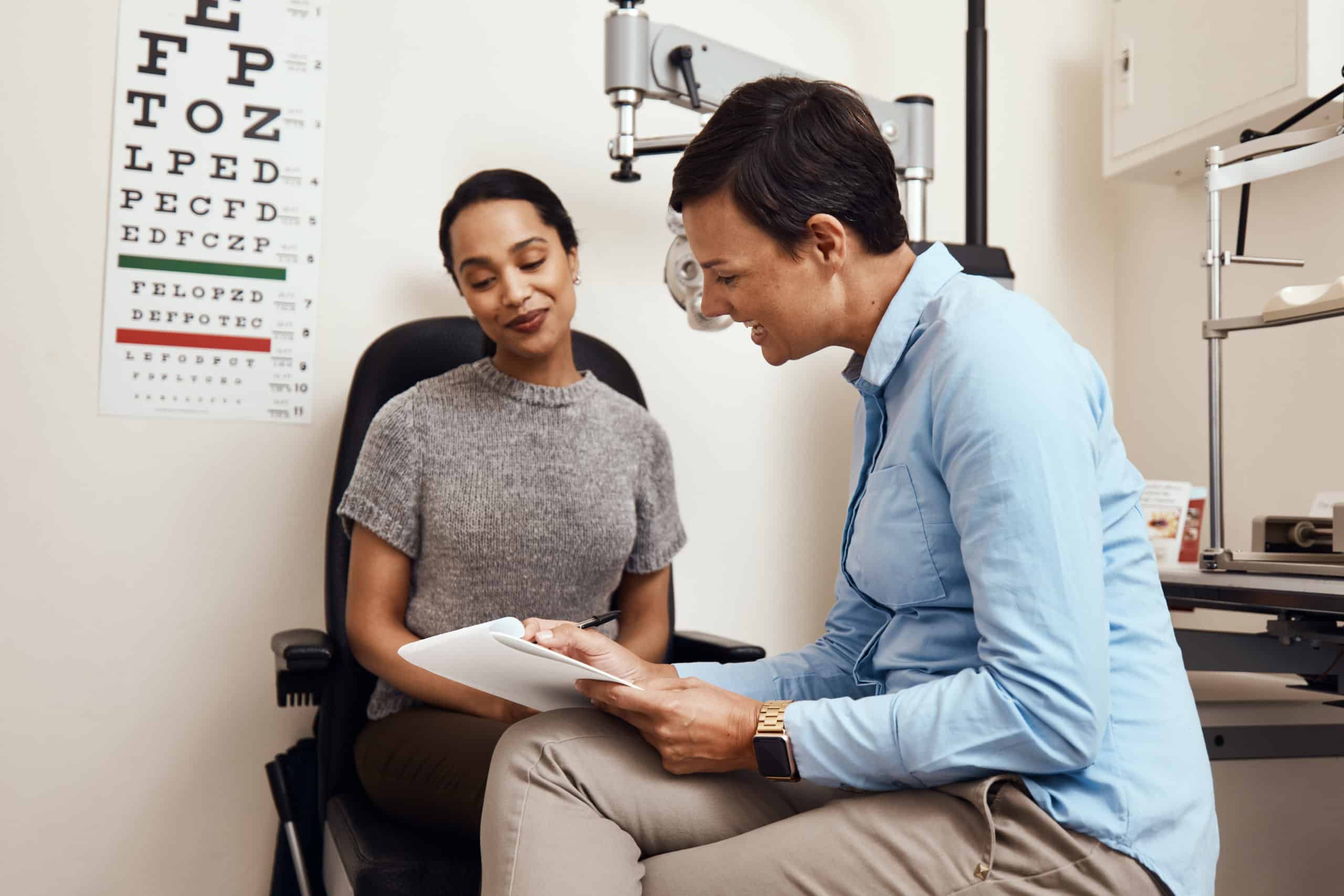
    Most people know this one. An eye exam usually starts with a “visual acuity test.”  It’s where you look at a chart, and you read off a series of letters. This helps your eye doctor quickly gauge your vision. And they can tell you if you need glasses (or contacts). 

    Also, under a “Continuum of Care Plan,” these visual acuity tests help your eye doctor track changes in your vision over time. That means it’s going to be easier for your doctor to tell if something is wrong with your eye- so you can catch and solve eye diseases before they cause damage to your vision.  

    Next, your eye doctor does a pressure test.  

    This test measures the pressure inside of your eye. When the pressure is too high, this could be a sign that you have glaucoma. Glaucoma is the leading cause of irreversible blindness in the USA. And that’s why it’s an important part of your eye exam.

    Your eye exam also contains a “refraction.”  

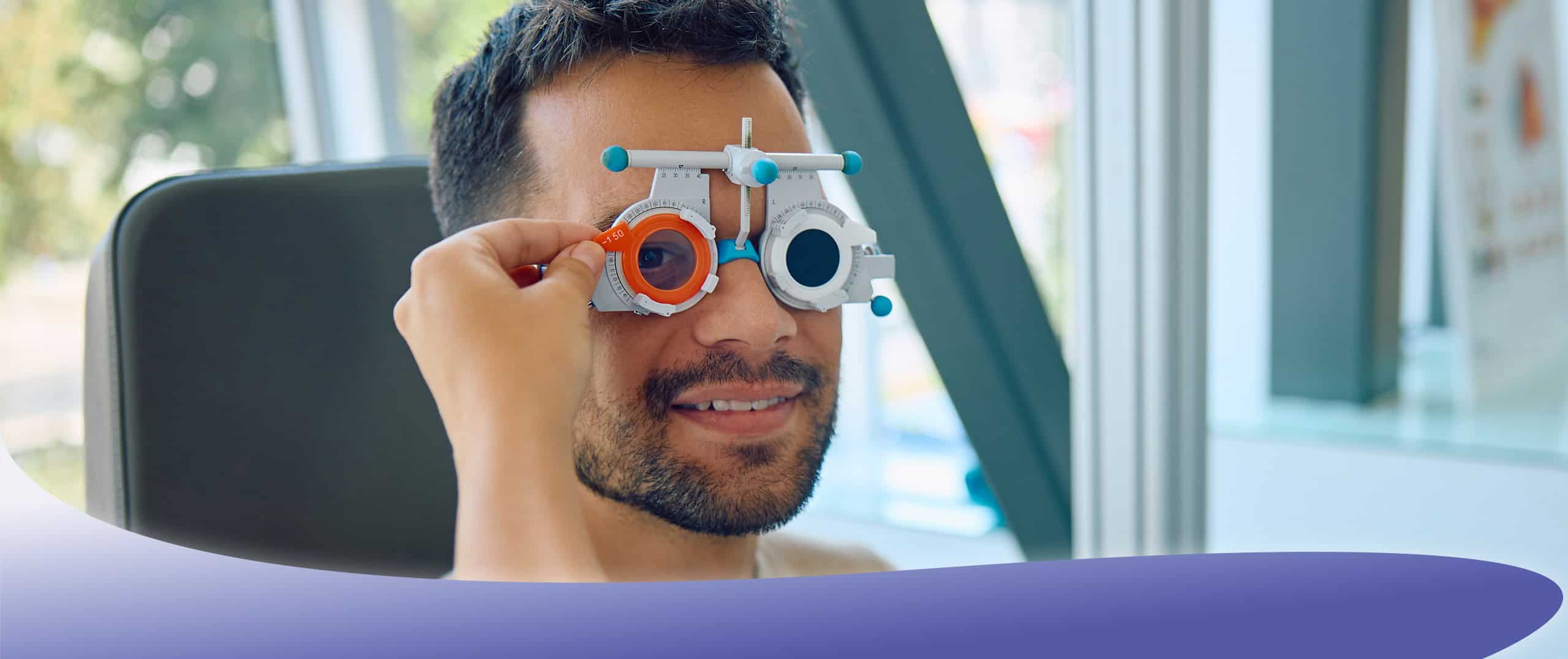
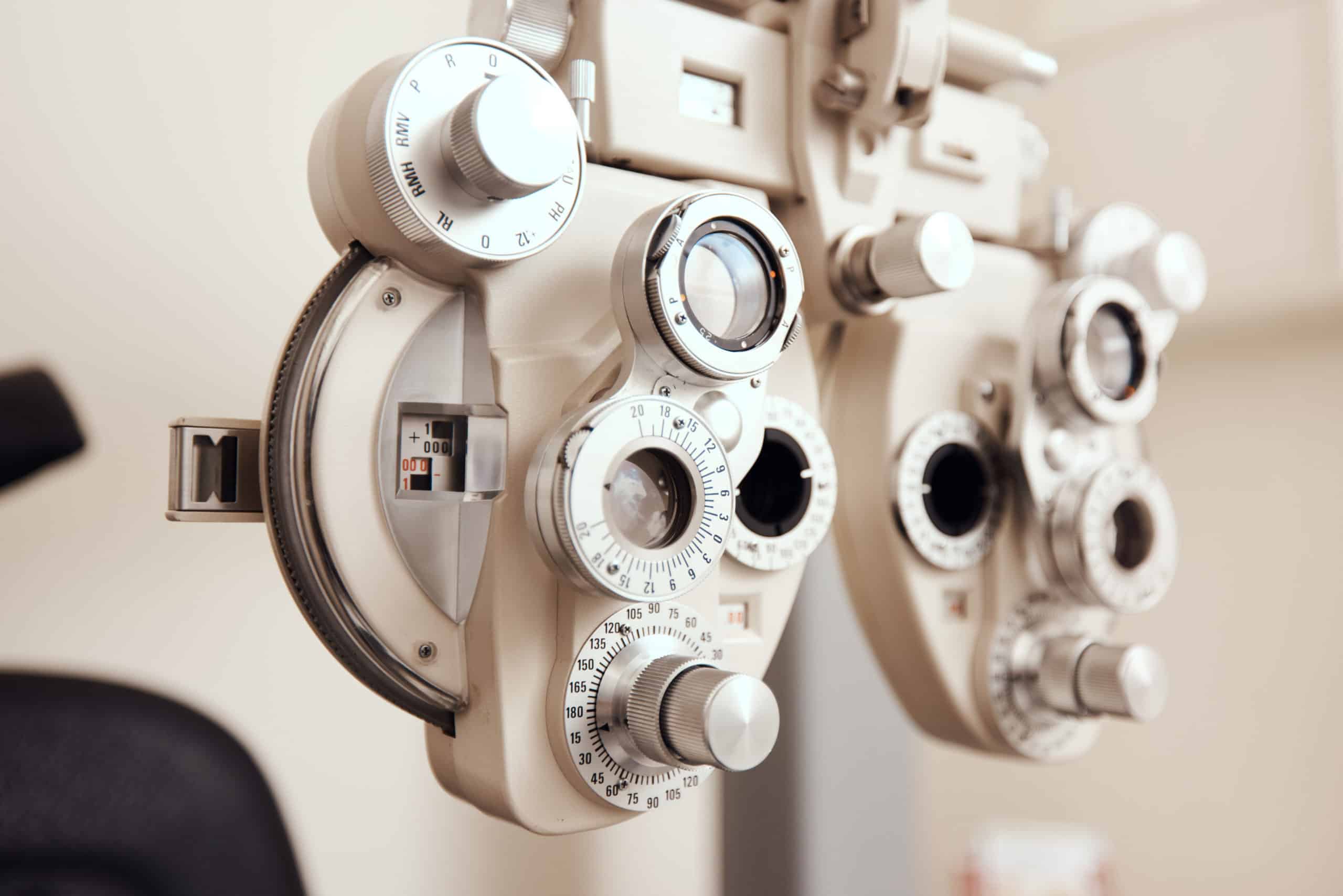
    It’s like the visual acuity exam. However, you’ll look through a device called a “phoropter.” This allows you to read the eye chart through different types of lenses. The purpose for this portion of the exam is for your eye doctor to find your sharpest vision possible.  It will also help detect if your vision is decreased so your eye doctor can find out why.  It is a vital part of the exam and so much more than just determining if a prescription for glasses is needed. 

    Here’s one more thing many people don’t know.  

    Here at Snead Eye Group we have a new test to offer. So, along with your normal eye exam, we can also perform the “iWellness Screening.” This screening uses the latest technology to create a 3D map of your eye. All you have to do is sit still while the machine scans your eye.  

    This allows us to detect problems well before you often have any symptoms. The iWellness Screening gives your doctor the most exact view of your eye health. And it gives us an easy way to catch problems early.   All so you can sleep easy at night knowing you have a team of trusted eye doctors and surgeons looking out for your health.  

    “How Do I Get Started?”  

    Scheduling an eye exam (or any other procedure) is easy , click > Schedule eye exam for iWellness Screening and follow the easy steps to schedule your appointment.