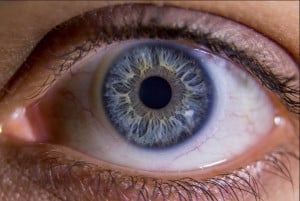
 Keratoconus is an eye disorder in which the cornea becomes misshapen and can lead to double vision, distorted vision, blurred or streaked vision and sensitivity to light. In the early stages symptoms might be similar to those of any other refractive defect. With the progression of the disease however, eyesight deteriorates, sometimes quickly. Visual sharpness becomes impaired both near and far, and night vision is typically bad.
Dr. Jay S. Rosen, board certified optometric physician with SNEAD EYE GROUP, is trained in hard to fit corrective lenses which allow patients suffering from Keratoconus to drive legally and function in daily life. Whenever you notice a change in vision, you should consult with an eye care physician as quickly as possible. SNEAD EYE GROUP physicians are highly trained and experienced in diagnosing and treating issues such as keratoconus which could lead to further deterioration if left unattended.
Vision Insurance. Do I need it?
If you’re confused about the difference between vision and medical insurance, you’re not alone. Because vision insurance is supplemental to regular health insurance, it can be difficult to understand which benefits are included and which ones must be purchased.
Insurance companies sometimes handle routine eye exams differently than medical eye exams. Your medical insurance may cover a medical eye problem, but not pay for the exam if it is a “routine” eye exam for near sightedness for example. Many vision plans also provide coverage for glasses and contact lenses.
In addition, some medical insurance will cover one routine eye exam every two years in addition to covering an eye exam that is for a medical eye problem. Study your policy as plan coverage varies.
If you have concerns about your eye health, but you also need new glasses, your eye doctor may charge you a refraction fee. Insurance companies usually separate the components of an eye exam, one being the comprehensive exam and the other being the refraction. Typically, vision insurance policies usually cover both the eye exam and the refraction, while medical policies cover the exam only.
If you have questions about your vision insurance or your need for it, feel free to consult with a SNEAD EYE GROUP representative who can assist you. Life is busy enough. Worrying about your vision insurance shouldn’t complicate matters!
[/et_pb_text][/et_pb_column][/et_pb_row][/et_pb_section]
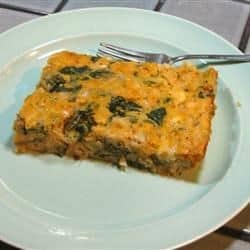 We’ve talked previously about Lutein and Zeaxanthin and how eating foods rich in these two antioxidants can lower your risk of macular degeneration. Green leafy vegetables like spinach are high in both. Egg yolks are a great source of Lutein also. So, in honor of Saint Patrick’s day and all things green, as well as good eye health, here’s a link to an Egg & Spinach Casserole from
  Salmon is one of the best sources of eye-healthy omega-3 fatty acids, which have been shown to reduce the risk of ARMD and help treat dry eye disease. An Ophthalmology study reported that high dietary intakes of omega-3 fatty acids resulted in a 38% reduction in the risk for ARMD. Salmon is also a natural source of vitamin D, which may also prove to have eye health benefits. This lunch recipe featuring canned salmon happens to be delicious and can be prepared in less than 20 minutes! Find the
  Join the Snead Eye Group on Saturday, Feb. 6th, at the Healthy Living Caravan when it visits Spring Run in Estero from 9 am-noon. We are looking forward to giving free vision screenings to all the residents there. — at Spring Run Golf Club.
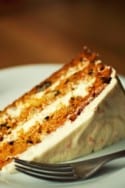 Carrots are scientifically proven to be excellent for your eyesight. They are filled with nutrients such as beta-carotene and lycopene, which are known to filter out that pesky Florida UV light that can often times damage your eyesight. They also work to make sure the moisture levels in your eyes are balanced, making for overall healthier eyeballs! Pair these benefits with dessert, and you’ve got yourself a winning recipe! Try this Eye Healthy
  We are delighted to be participating in the Healthy Living Expo on Saturday, Jan 23rd from 9 am- noon at the Estero Embassy Suites. We will be giving free
 Emphasize a rainbow diet with plenty of colorful fruits and vegetables that contain lutein and zeaxanthin, carotenoids that destroy free radicals and can compromise night vision. Eat a leafy green salad each day. Here’s a recipe to an